
Where Are They Now? Meet Doris Wibunsin
Where Are They Now? is an ongoing series interviewing Returned Peace Corps Volunteers (RPCVs) from Thailand, where Holly Lingenfelter aims to cultivate understanding, excitement, and create connections across time. If you are a Thailand RPCV or know one who would be interested in being interviewed, please contact us at pctm.stickyrice@gmail.com.
Holly Lingenfelter, 136 YinD
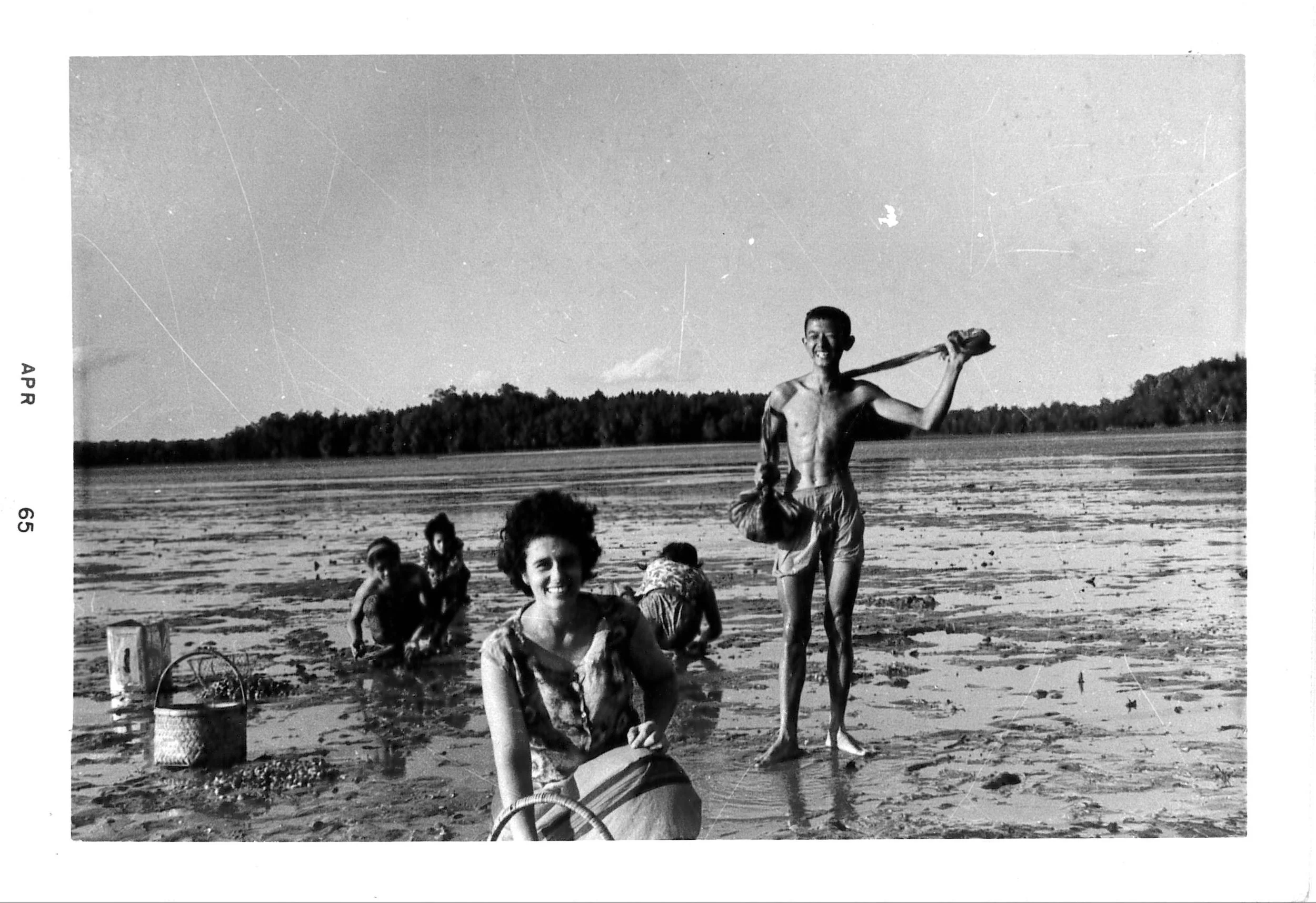
An outing with students, April 1965.
Meet Doris Wibunsin of Group 3 (1963-1966)
Doris Wibunsin served as a Secondary Education volunteer from 1963 to 1966, when she was 22 years old. She served in Trang, in southern Thailand. Her Thai nickname is “do-risaaa” (the Thai version of Doris).
What inspired you to join the Peace Corps in the first place?
“I had applied to the Peace Corps because of John F. Kennedy and the ideals that he represented, and my agreeing with wanting to share in that excitement. I had also applied to the Foreign Service and had taken the exam. I had just finished college and started teaching because I didn't know what else to do; all I knew was that I didn't want to teach. But of course there I was teaching. Actually, I had applied to go to Tunisia because, in my senior year of college, I had taken a course in political geography and prepared a report for the course on Tunisia, and I thought Tunisia was an exciting place, so I said, well, I'll just go to Tunisia and learn more about it. Then I got an answer from Peace Corps saying, ‘We don't have a program in Tunisia; how about Thailand?’
I sat there for a while thinking, ‘Where’s Thailand?’ I looked in an old dictionary and encyclopedia, looked at a place called Siam, Thailand in parentheses, and thought, ‘Siam… OK… Oh! Yul Brynner, The King and I!’ This was sort of my process of understanding because I had been born in New York but grew up in Miami, Florida, and the only Asian people I knew were at the Chinese restaurants that we would go to occasionally.
At that time, my foreign experience was having gone to Cuba before the revolution there, with my band. Our marching band was invited to play there, so I knew very little about Asia. My mom was working for the Police Department as a stenographer, and she had met 2 Korean police lieutenants who were on a grant to visit police stations in the United States. My mom had invited them home for dinner, and they were the only Asians that I knew at that time.
So for me it was quite a process of thinking, ‘Wow… Thailand… Wow… Asia…’ And at that same time, I got a letter from the State Department saying I passed the written exam for the State Department. Also, by that time, I had been teaching for a few months and found that I was a decent teacher, and it was fun. So it was quite a period of decision-making for me. My mom said, ‘Look, I don't care what you decide to do, just decide something.’ So that's how I went into Peace Corps training, thinking, ‘OK, I think I'm doing what I wanna do, but [I’m] not sure.’ I went into Peace Corps training at age 22, just out of college in 1962.”
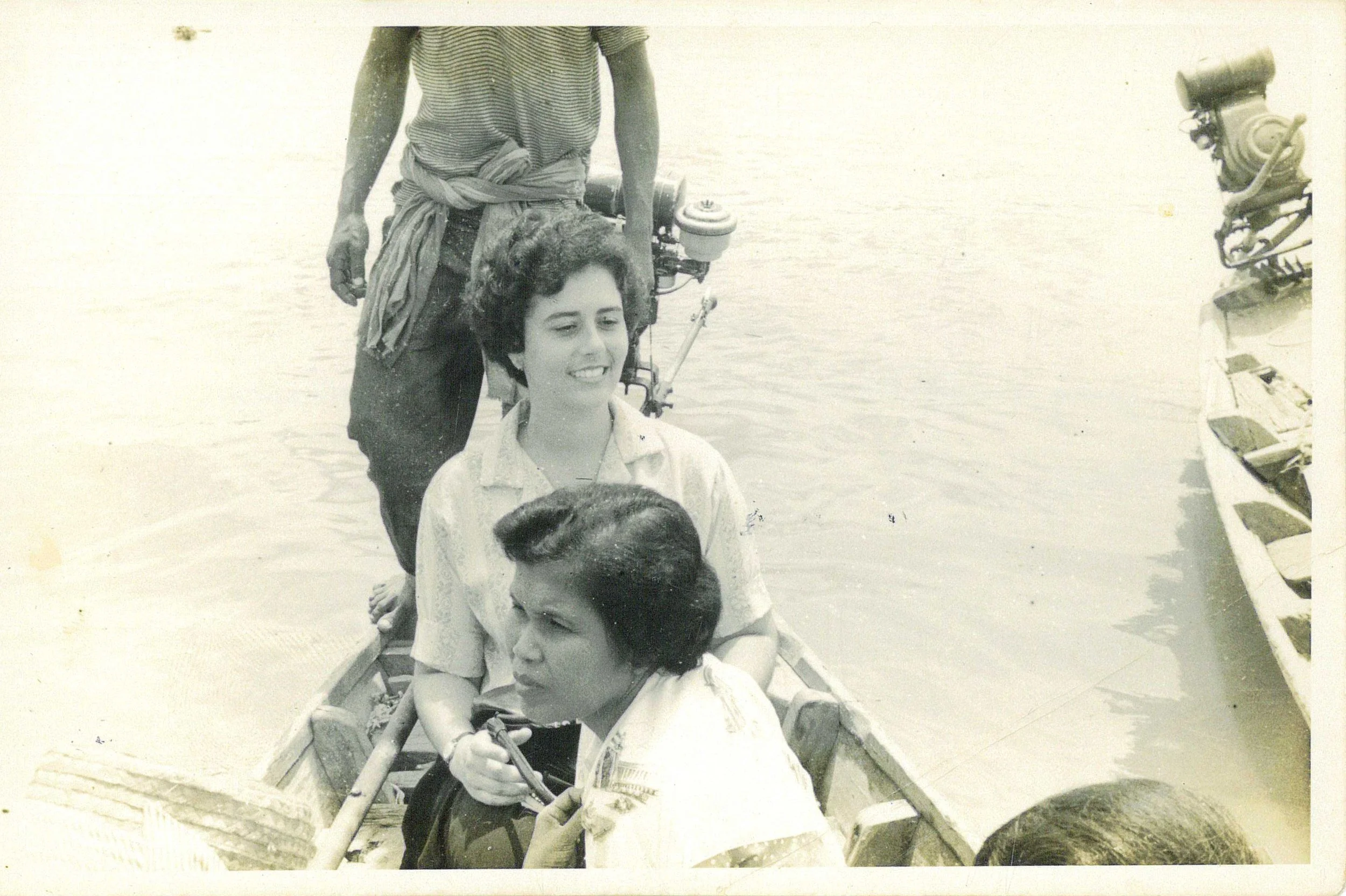
Going to Bak Penang with the headmistress & teachers, 1963.
What was it like to serve in the early years of the Peace Corps? And what was your primary assignment during your service?
“We were the first upcountry secondary education group. Most of us went to secondary schools in different provinces and were often the first Americans that the town had seen, probably in forever, so it was quite an experience. I think we were sort of the pioneers getting out. The first group was pretty much in Bangkok at the university level, and then the second group, I think, was more on the technical side in health centers and hospitals. So we were sort of the first group upcountry in education. It was quite a wonderful experience, life-changing for me, and for a lot of us.
Our Peace Corps training was much different than it is now. Ours was sort of like a gulag; it was so intense, and everybody was on pins and needles because you never knew what the trainers were thinking, and it was extremely intense. Can you imagine? The best place to train for Thailand was in Seattle, Washington, in December and January. Yes, we got rain, but it wasn't the rain you get in Thailand. At the time we went into training, there had been no returning groups yet, especially from Thailand, so our information was quite limited. We just had experts come and talk to us, so we didn't get a lot of really good information. But it was such an intense period, and all you could think about was getting through the next day and getting through training. Halfway through, they cut out several of us; they called it ‘deselected,’ and of course that was so frightening for the rest of us.”
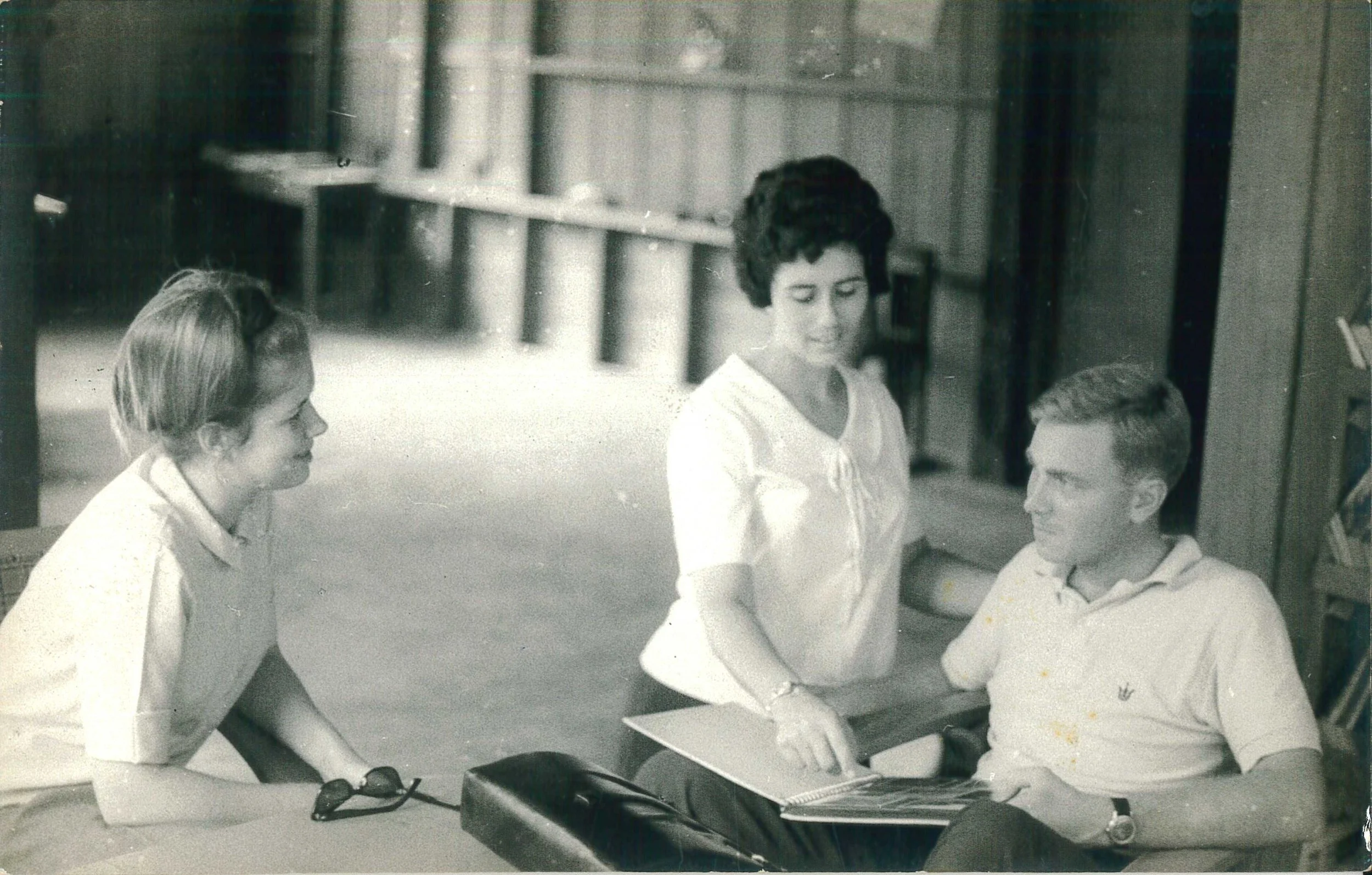
Doris with fellow Peace Corps Volunteers.
“Over the New Year holiday, we had gone back home and prepared our luggage, and then went back for the final six weeks of training and, immediately following training, left to go to Thailand. The night before we were going to get on a plane to go to Thailand, the letters to those further deselected came. So it wasn't even a guarantee; you really worked hard to get through training. You weren't thinking too much about what you were training for; it was so intense just trying to get through the day and the programs and the language that, for me anyway, Thailand was really far away from my immediate thoughts. It was just getting through the day, and then on that final day when my friends were deselected, I started asking myself, ‘What am I doing?!’”
Then they put us on the plane, and I think probably over Guam I had a nervous breakdown. I said, ‘I don't wanna go; wait, let me think about it. Just wait a minute, turn the plane around!’ One of the trainers who was chaperoning us came and said, ‘Look, when you get to Bangkok, we'll put you on a plane to go home. Just calm down.’ So anyhow, that's how I got to Thailand.
As far as placement went, they had very nice host families for us. They put each of us with a different family in Bangkok at that time, and of course that was a very lovely experience. Then we would go to the office, and they gave us our permanent site placements. I had requested placement with another Peace Corps colleague. Come to find out, she was placed as far north as you could go, and I was placed in the far South, near the provinces that are majority Muslim-speaking.”
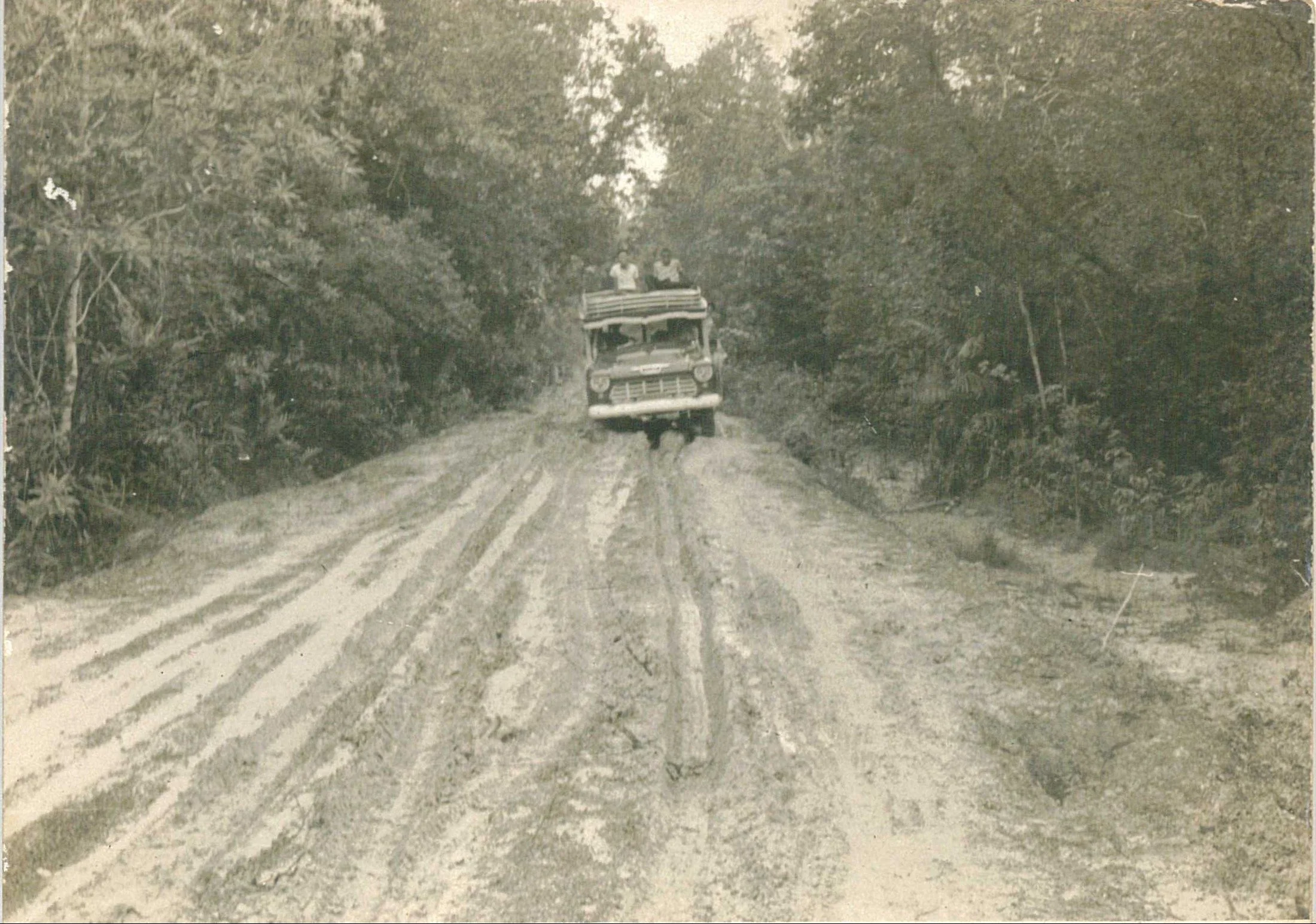
On the main highway to Bangkok, around Krabi - Phang Nga. It took 2 days to get there, February 1965.
“When they showed me the province of Trang, I said, ‘Wait a minute, I'm not staying, especially now that you're telling me where I'm going.’ During training, we were listening to a lecture about the different parts of Thailand. The beautiful world of the impoverished northeast, and the bountiful central plains, and then one of the smart asses who was deselected raised his hand and said, ‘What about the South?’ And the expert said, ‘Well, nobody's gonna go there because they don't even speak Thai down there.’ So this was the impression from training that nobody's gonna go South.
So when they took my hand and pointed my finger all the way down to Trang, I was definitely not gonna stay. They negotiated with me and said, ‘Look, we've sent your name already; it would be a great loss of faith. You will be the first volunteer in that province, and if you don't show up, Peace Corps is really gonna be embarrassed. Can we ask you to please go there, and we will send a telegram next Saturday saying you have a family emergency and you need to leave; you don't even need to unpack.’
I got on a train and traveled overnight to my little province, and by Friday I said, ‘Don't bother sending the telegram; I think I can stand it.’ And after two years of our program, I felt that I was not ready to leave yet, so I stayed for the third year.”
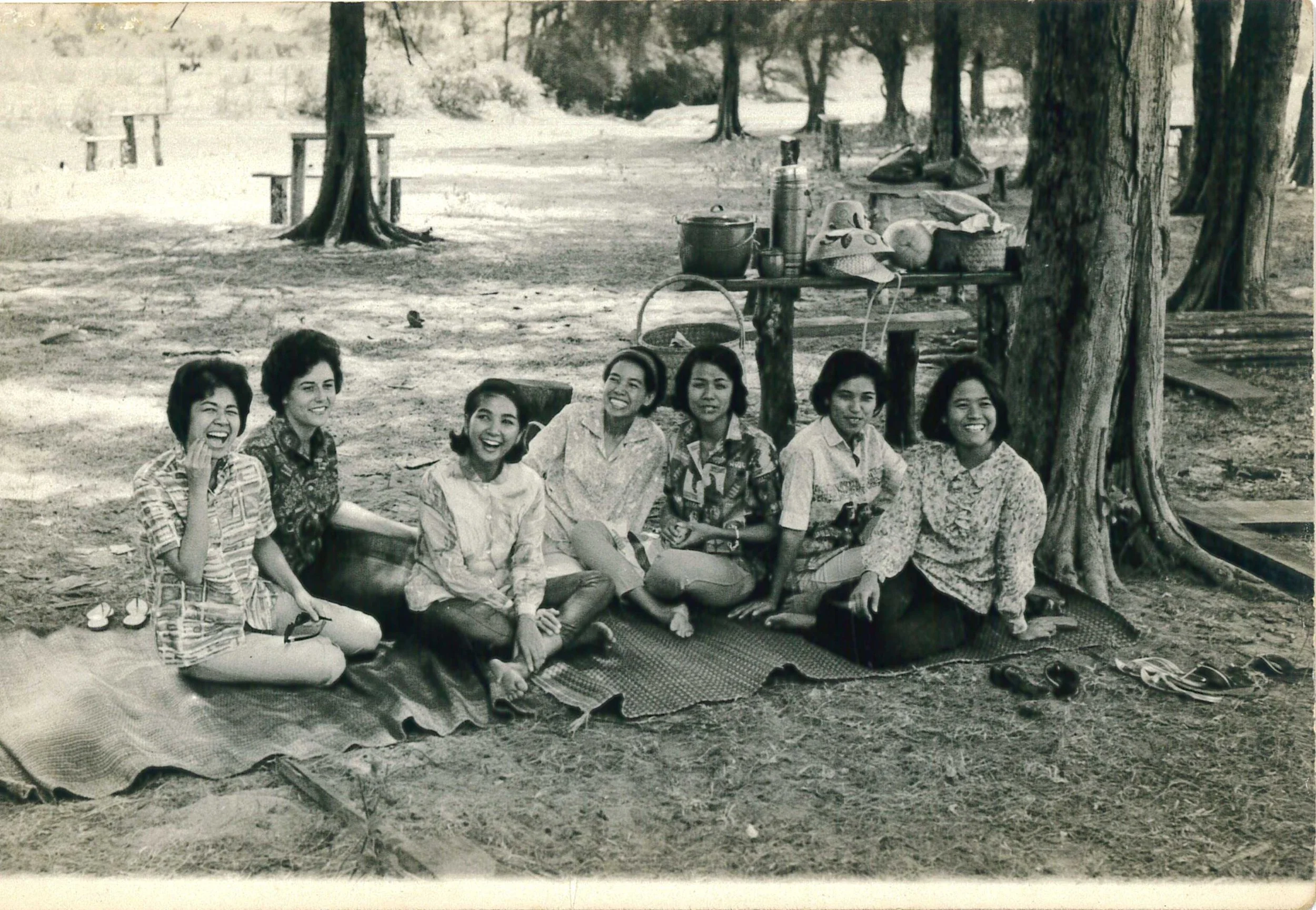
Some special adult students who became good friends, 1964.
What was your transition like after leaving Thailand and the Peace Corps?
“In those days, you could re-up for two years, and you would get a ticket home, spend some time home, and then come back to do another two years, or you could stay for three years, and they would give you a flight around Southeast Asia. So I opted to do three years. In my third year of service, there was a Time magazine article talking about the difficulties of Peace Corps Volunteers returning to the U.S., unable to readjust, and it started me thinking, ‘Is that me? Am I so well adjusted here because I really can't adjust to my own society?’ You can say after three years I was very, very well adjusted in Thailand, and I thought I could live here forever. But I was being pulled back by that feeling: ‘Can I live here forever, because I can’t live in the States, is that me? Is it because I can’t adjust to my own society?’ And that‘s why I went back.
As I was leaving Trang with tears in my eyes, I was saying goodbye to people that I had known throughout my tour there, one of whom was the Abbott at the temple. I was part of a Thai orchestra; I was playing a Thai instrument at funerals, weddings, and monk ordinations. At one temple I would go to quite often, I got to know the Abbot. So I went to say goodbye to him, and he told me, ‘Look… I don’t know why you're leaving. You can’t leave because your stars and Thailand’s stars are intertwined. And in your previous existence, you were Thai.” I thought this was a great compliment, showing my language was strong and I had adjusted; I was able to get along with people, and I thought that was very nice of him to say it that way. But look at me now, 60 years later, here I am, still in Thailand. So never doubt, you may not believe it, but don’t poo-poo it. Fate is an interesting thing.”
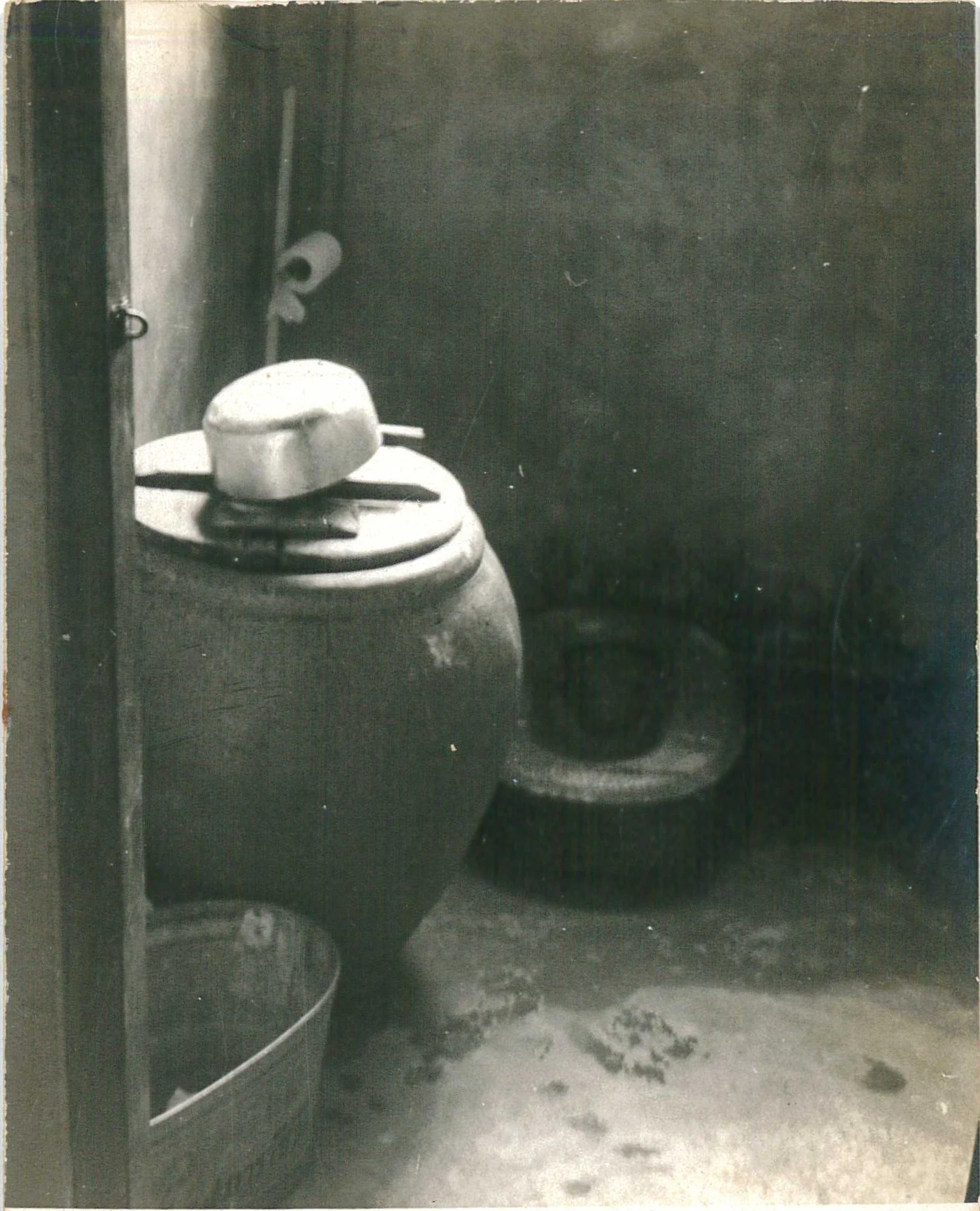
My Peace Corps [housing] bathroom in Trang, 1963.
What kind of work did you do after the completion of your service?
“It was in the 70s and the 60s, and the United States was in sort of an upheaval time. The war in Vietnam was going on, and American Society was changing. But one of the things that was changing was Peace Corps volunteers from around the world who were finishing their two years and going back to the United States and finding it difficult to get back. Because having lived abroad and worked as they worked around the world, they learned a lot of things. So they left the United States not knowing, and then going back and finding American Society not changing, actually, but the ideas of young people changing and their own enlightenment about the world, and finding it hard to readjust. That was one of the things that they talked about in the 60s, and Peace Corps Volunteers found it hard to readjust to American society, so I was worried that I was one of them after coming to Thailand.
When I left Thailand, I was thinking I might come back, but then when you go back to the United States, life takes over. I thought that I really wasn’t maladjusted; I got along well. I was back in the turmoil of the mid-60’s, and I made my peace with it, even though I didn’t agree with what was going on. But I was able to get along.
From 1966 to 1968, I was working for the State Department as an escorted interpreter for Thai visitors in the U.S. Visitor Program. At that time, there were not that many Americans who spoke Thai, and when they had visitors on these official programs to come and visit, they needed someone to accompany them, help with the language, and to help them not freak out in trying to maneuver in the US. I went with a group of journalists and a group of teachers. I think I went on 3 of these programs.
After that, somebody in the Peace Corps had the bright idea and thought, ‘Well, here is a person who knows no Thai and after 2 years in the PC is speaking Thai, maybe she could teach Thai.’ So they had me teaching Thai to a group of malaria eradication volunteers. Two of those volunteers are living here in Thailand now. But I worked with a team of Thai instructors and taught for 6 weeks in Hawaii, and then they took that group to Manila for their regional malaria training. And then later, I was invited to teach a group of English education teachers in Hawaii, also in 1968. And then I went back to school for linguistics.”
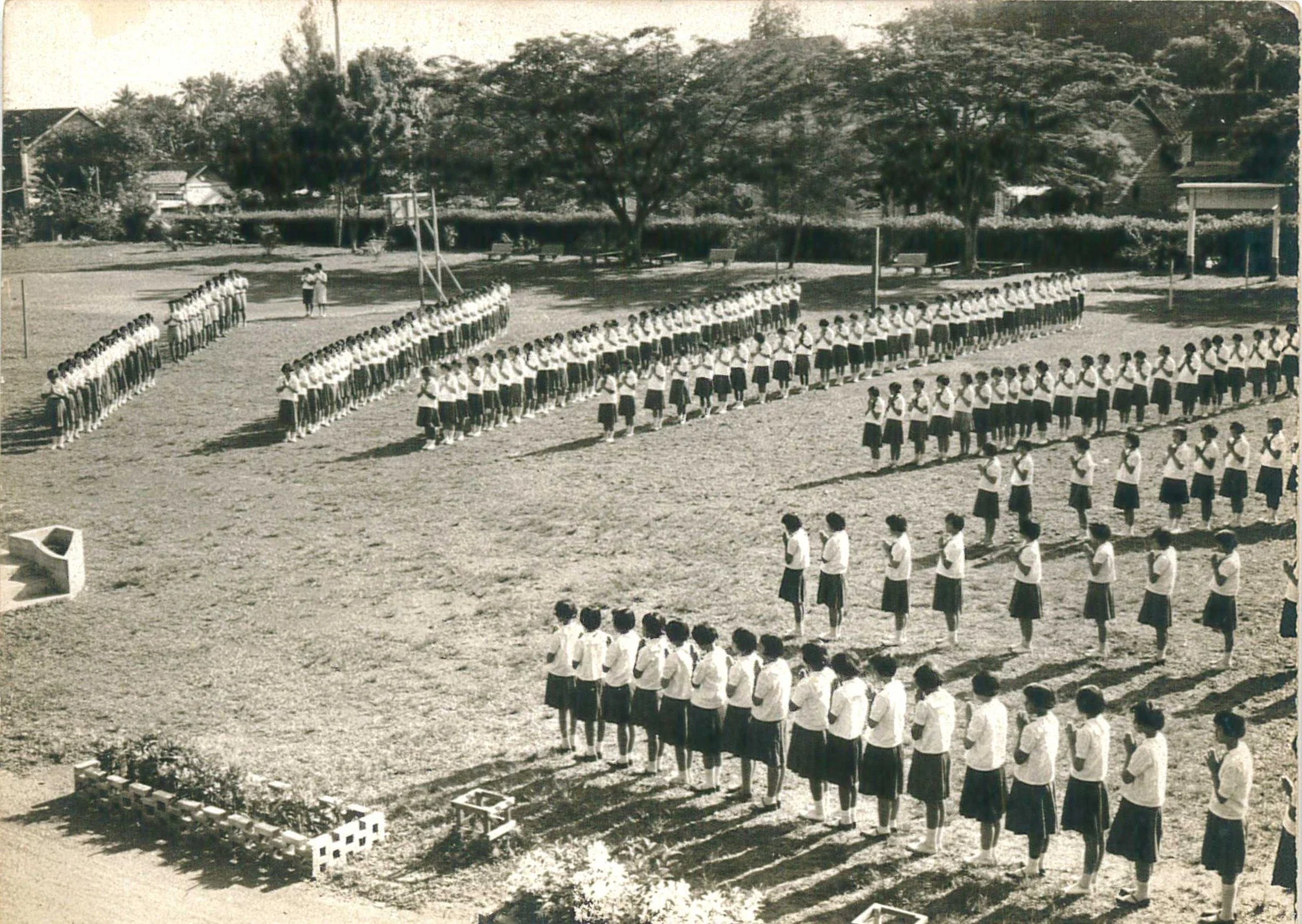
Addressing the students one morning, 1963.
“I went to the University of Pittsburgh because the director of the linguistics department was a Thai scholar, Edward Anthony, who had written English teaching books for Thailand. He had worked with USOM (United States Operations Missions), which later became USAID (United States Agency for International Development). Then he wrote English teaching books and developed English teaching courses in secondary schools in Thailand. I thought what a wonderful person to study under.
When I was at the University of Pittsburgh, there were three university lecturers from Kasetsart University in Bangkok on a Rockefeller scholarship to study linguistics, and of course, having newly returned from Thailand, and still loving Thailand, we became fast friends. They finished their program a trimester before I did, so they returned to Thailand.”
How did you end up back in Thailand?
“I was just finishing my master's degree when I got an invitation to return to Thailand as a Fulbright lecturer, which is what I did in 1969. And that’s when fate kicked in, and I never left after that, except for short periods.
I taught at Prince of Songkla University in Pattani. Which is in the far south, the place I was so afraid of going to early on. I had some relationships here that I thought I would pick up, and when I got back to Thailand, one of the 3 dear friends, she was from Nakhon Si Thammarat, which was right next to Trang in the south. So she and I were really special friends. She said, ‘Hey, you’re going to Pattani. I have a cousin who is a judge in Yala, which is the province right next door. I wrote to him to tell him to take care of you.’”
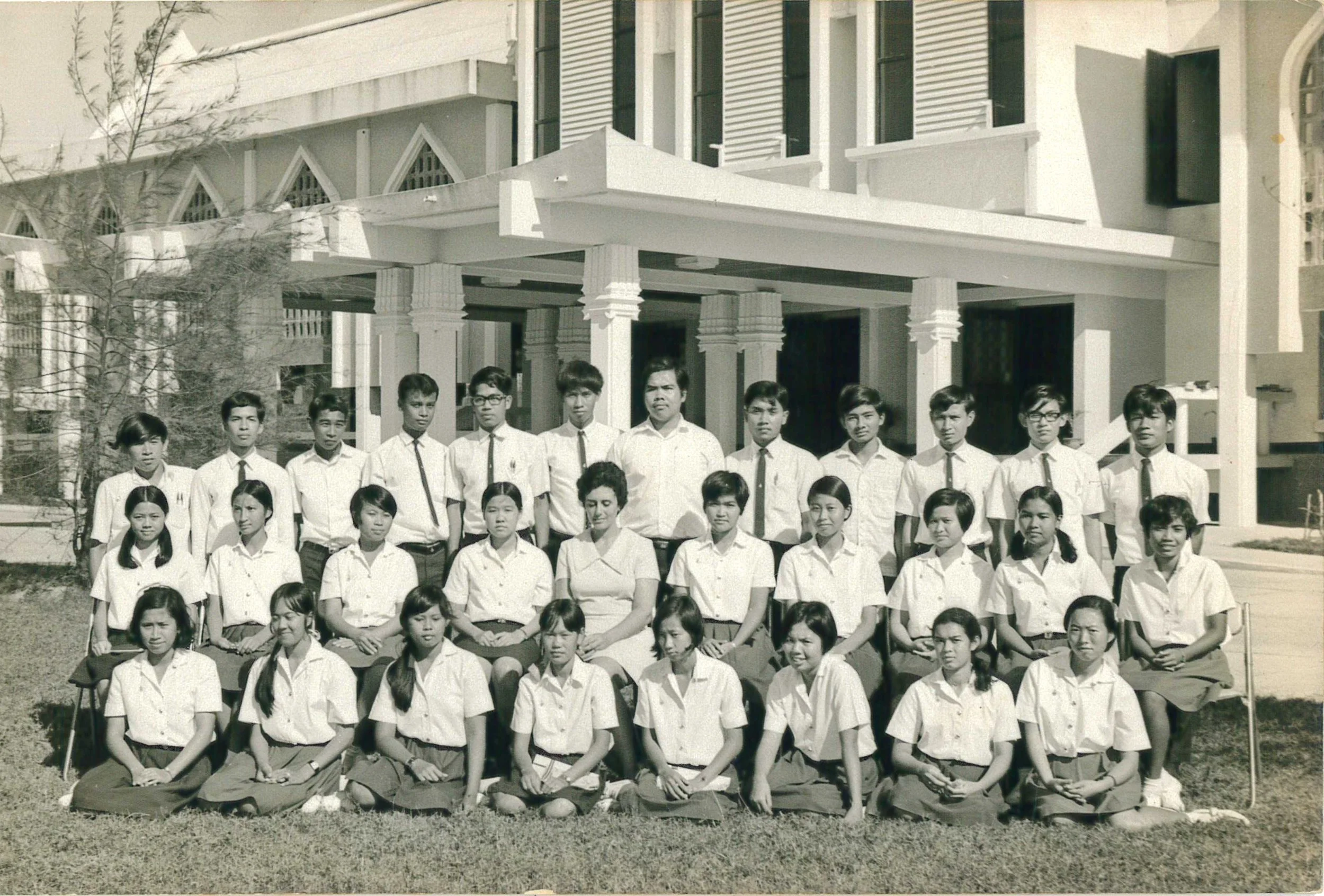
With students at Prince of Songkla University, 1970.
“I thought… number one, I don’t need taking care of; and number 2, I never liked judges. Traditionally, Thai judges are not very social; they keep away from society so that they are not influenced. So it was not in my schedule to meet up with him, so I didn’t for the first 3 months.
When fate has its mind made up, you cannot argue with it. I was at a birthday party for the governor, with some colleagues at the university. It was a Sunday afternoon; it was like a fair. They had different booths up in the yard and a lot of people from the province. And who should I meet but the principal of the boys' school in that town, who had been the host to one of my Peace Corps colleagues who was placed in Pattani, and so I knew her colleague, the principal, and he knew me.
She was my dearest friend. She was the closest in terms of geography, about 4 hours away in Pattani, and we kept in touch. She was the most delightful person in the world. She lived in Bozeman, Montana. For a girl from Miami, there’s no reason I should know Bozeman, Montana, except that during my Junior year of college, I got an NDEA fellowship to study German for a summer in Bozeman, Montana. It was lovely, and Bozeman became a place that I loved. The following year, I got to PC training. I was the first in my dorm room, and there were 6 of us in the same suite. I opened the door, and here is Jackie, from Bozeman, Montana. So of course we had immediate love.
Jackie went to Pattani, but when she got into training, she became infatuated and finally engaged to another trainee, Tim. She and Tim came to Thailand engaged. Tim stayed in Bangkok at the teachers college, and she went down to Pattani, and in 6 weeks, she and Tim had broken up. Then she met a very charming and dashing border patrol police major. He was a lovely man, and many young girls were hoping he’d give them some interest. So she became engaged, very loudly engaged as you can imagine. Here’s the first group of Peace Corps volunteers, and here’s this female volunteer who suddenly became engaged to a Thai police officer. It was news everywhere. Within a few months, that engagement was broken. So the idea of American women in the South was set by Jackie.”
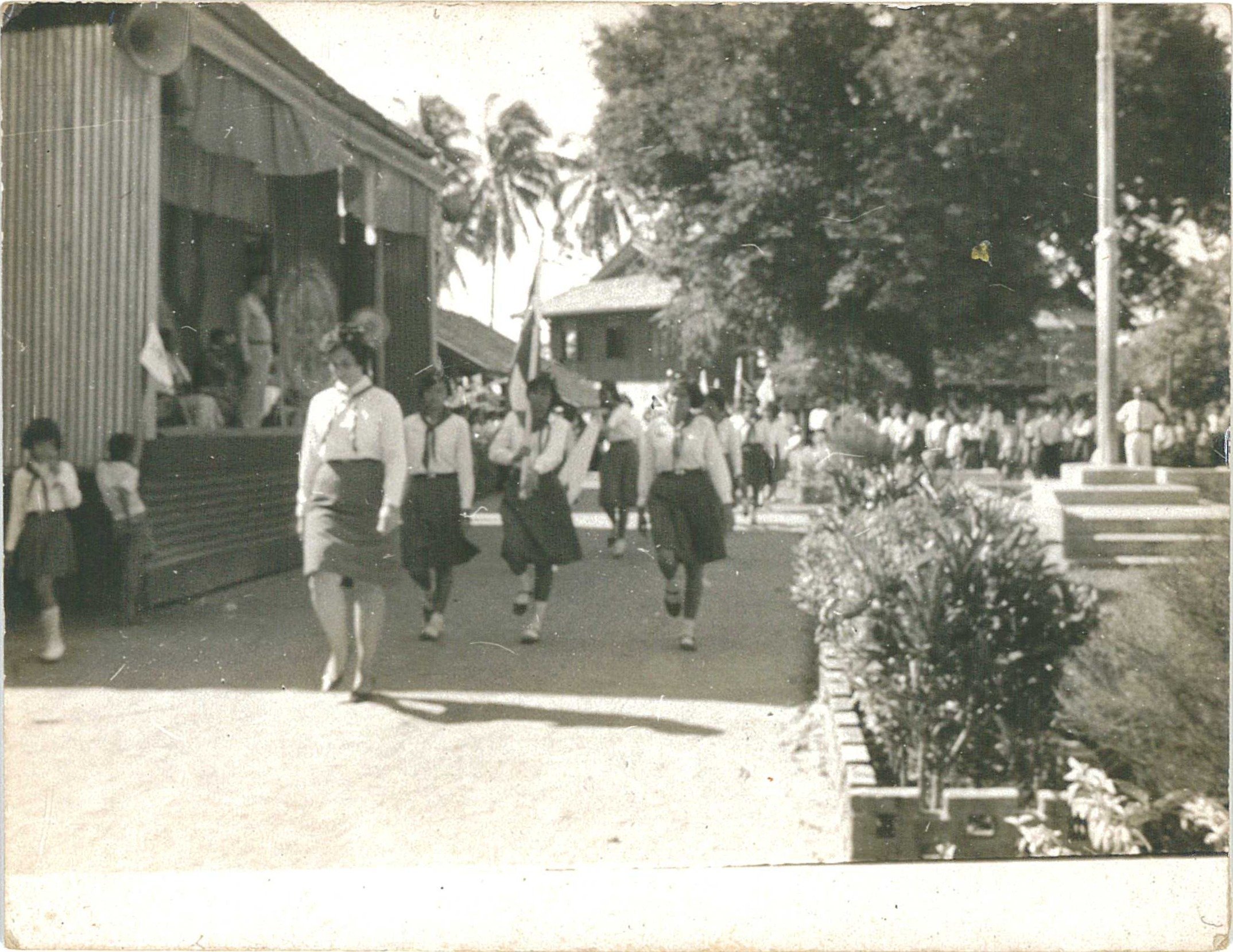
Teaching American marching technique for an upcoming parade.
“Now this was several years later; this was now 1969. I’m meeting the principal of the school where she was. So he knew me very well. He wanted to introduce me to an old student of his. And it turns out the old student of his was actually the cousin of my friend. You see how fate makes it impossible for you to get away. So even though I had said, I’m not even gonna pay any attention to him because I don’t need to be taken care of, 3 months later, he was at the side of this principal who had known my best friend.
Then maybe a year and a half later, I saw this principal again, and I told him I’m getting engaged to this judge. He told me, which is lovely how Thai’s criticize; they don’t do things directly, he said, ‘Do you know that musical group, the Impossibles…’ I knew what he was telling me: don’t get involved because you know what happened with Jackie, and this is going to happen again. But this is how my life started, with great doubts among the Thais that this was going to go long term. So that’s what kept me in Thailand, because I ended up getting married in 1971.
It was a very hard decision because it wasn’t something that I thought I would ever want to do. People would say, ‘Tell me about Thai men,’ and I would say, ‘Thai men are very charming; they make wonderful boyfriends, but never marry one.’ And this is what I always told people. Because all the time I was a PCV in Trang, and we would have evening functions, weddings, and different things that the teachers and I would go to, I would always meet a lot of charming men, and I would never meet their wives because their wives did not go to the parties; they stayed home as good Thai women do. So I didn’t think of myself as a stay-at-home wife; I couldn’t even cook. So it wasn’t in my plan to marry in Thailand, and yet that’s what happened.
That was one main reason why I’m still here. We were married until 2019, when my husband died. We have 1 son who is working in the US with his American wife, and my 2 young grandchildren. In the 2 years that I was teaching at the university, I got to know my husband and found that I was wrong in thinking that Thai men don’t make good husbands, because they do; you just have to find the right one.”
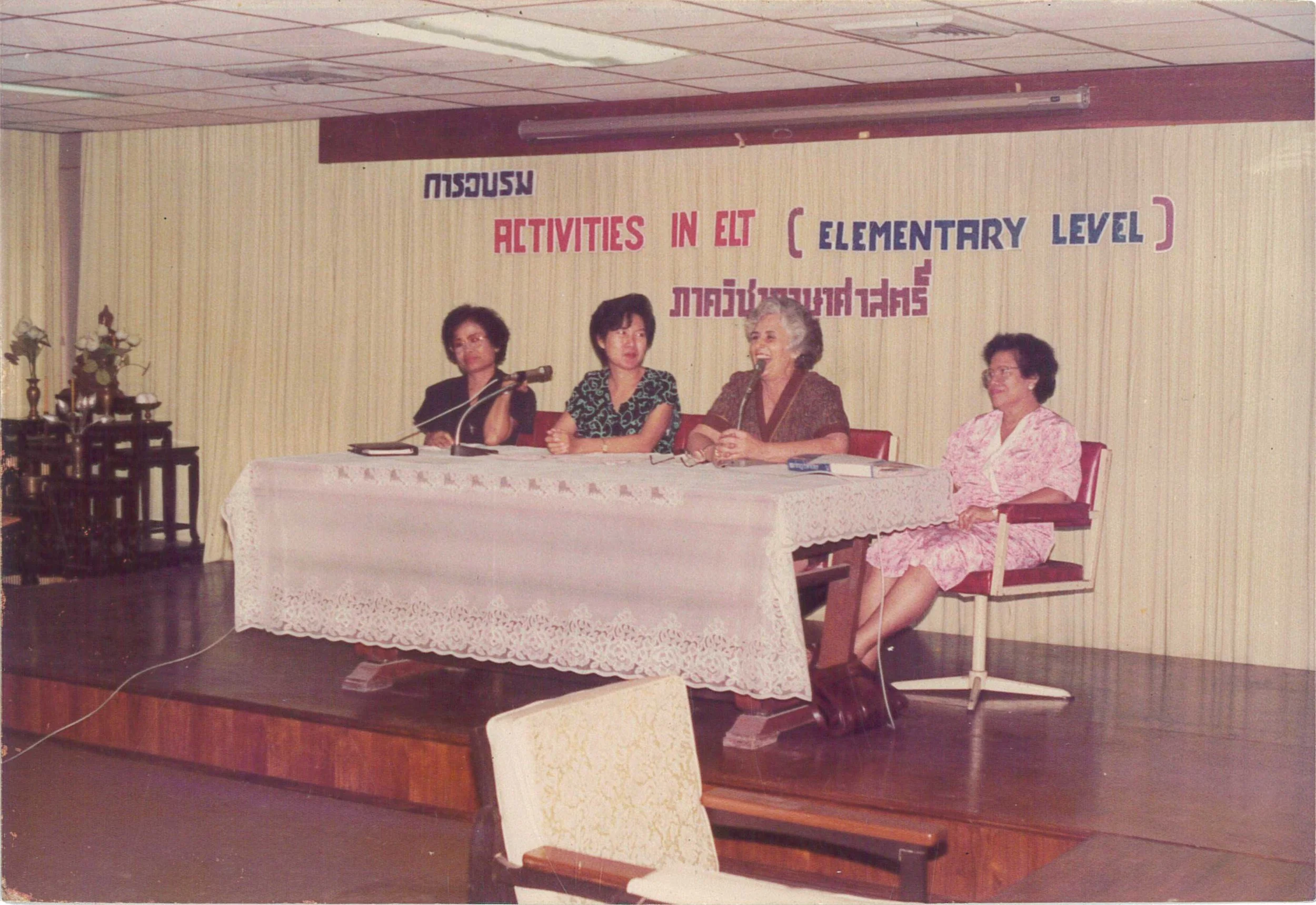
A training program for English teachers, 1986.
What type of work did you go on to do throughout your career in Thailand?
“I stayed at that university for 2 years. When I married, my husband had been transferred up to Phetchaburi. Judges in Thailand start out far away in the boonies, so they can learn how to be a judge; then after a few years, they move you to a larger province, one closer to Bangkok. Then you’re there for a few years, and they fling you back out as far as you can go as a chief judge. Then you work as a chief judge for a while until they move closer and closer to the Supreme Court. So as the wife of a judge, I was moving with my husband, and I was teaching until about 1979.
In the old days, AUA (American University Association Language Center) was the place to learn English. A private school, very well attended by young Thais wanting to improve their English. They had a program of Thai instruction for foreigners. The man who had written the books, Martin Brown, was leaving the program, and they asked me to take his place. So I worked there as the Director of the Thai Program for 4 years. Then the Fulbright director had a terrible accident, so during that time, they asked me if I’d help out. Then he died, and I was appointed the director of the Fulbright program.
My second life started as a Fulbright Lecturer, then I moved up to the director of the program. And I was the director of the Fulbright program for about 10 years, which was a lovely job. I met really wonderful people on both sides, bringing in young American researchers in their graduate studies, or senior professors who came to teach. And also supporting Thai professional scholars and professors to go study and do research in the States. It was a really wonderful job for 10 years.
I did a couple of different things after that, then somebody called me and said there’s somebody from Colorado State University who wants to talk to you about starting a program of distance education by satellite. Colorado State University had received a grant to do a visibility study from USOM (United States Operations Missions), which later became USAID (United States Agency for International Development).
In the 80’s in the United States, there was a big problem where American engineers were losing ground to the Japanese, where there was a lot more innovation and engineering programs and results coming from Japan. American engineers were not keeping up because they went to work and they stopped learning. So the dean of engineering at Colorado State University got together with deans of engineering of different universities in the States, and thought, ‘Hey, you know this new satellite stuff that’s just come in; why don’t we take videos of your professors teaching in the class, and send these courses to engineers wherever they’re located in their factories around the country.’ And that became something called National Technological University (NTU), and it was a really hot thing in the 80’s.”
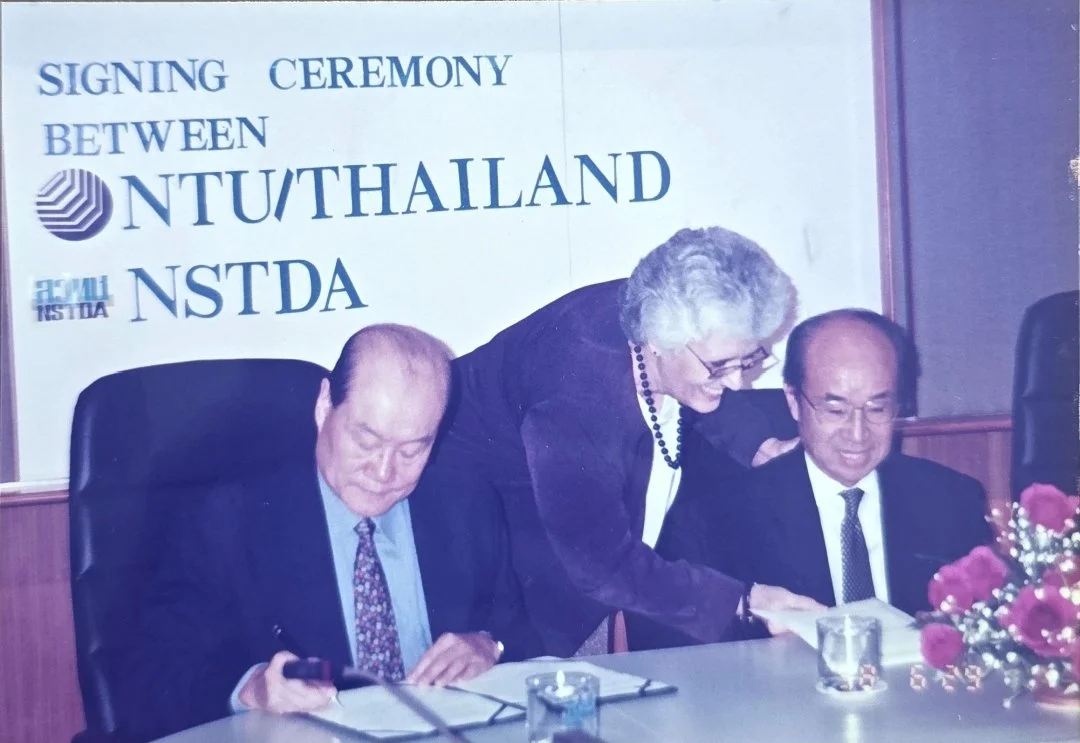
Signing ceremony with NTU Thailand.
“Forty-eight American universities with colleges of engineering got together and allowed their professors to teach courses and have those courses either videotaped or directly sent to different places around the country in different factories. So a fellow in Santa Rosa, California, doing a telecommunications project, and an engineer could be taking a course from the guy who wrote the text in this communications program at Southern Methodist University. He could just stay at his factory, take the courses, and get a master's degree. They would set up a curriculum so it would be an accredited master's program, and he wouldn’t have to go to class, but would have to do all the work that the kids in the class had to do. This was a wonderful idea in the States, and it was working really well. Factories and big companies all over the country were letting their engineers take these courses and paying for them. It became a wonderful way to transfer knowledge from the classroom right into the work environment.
Somebody got the bright idea: well, if we can do it in the States with the satellite technology, maybe we can do this internationally, so that instead of sending bright young engineers from Thailand to go and study in the US, maybe these bright young engineers in Thailand could take courses being sent over by satellite. So this was the idea that was proposed to me around 1989. The fellow who came to talk about it had gone to Malaysia, Korea, Vietnam, Japan, and different countries asking if they wanted to buy into this. So I helped to set up this program in Thailand, having no managerial experience, very low-tech, in terms of knowing what a satellite is. But I was enthralled with the idea. I had been teaching all these years and somehow thought this would be a wonderful way to bring knowledge to people, rather than having people go to the knowledge; the knowledge would go to them.
So I helped to set up NTU Thailand, which actually worked for several years, but never made any money because when you register for a credit in the US, it’s very expensive when you translate it to Baht. And these programs were not easy, and they did not make any exceptions, whether you were sitting in Thailand looking at a video or taking the course directly. But you have to do everything they have to do in the class, and you’re graded on the same level as the people in the actual class. So it wasn’t a great rush to take these courses because they were quite challenging.”
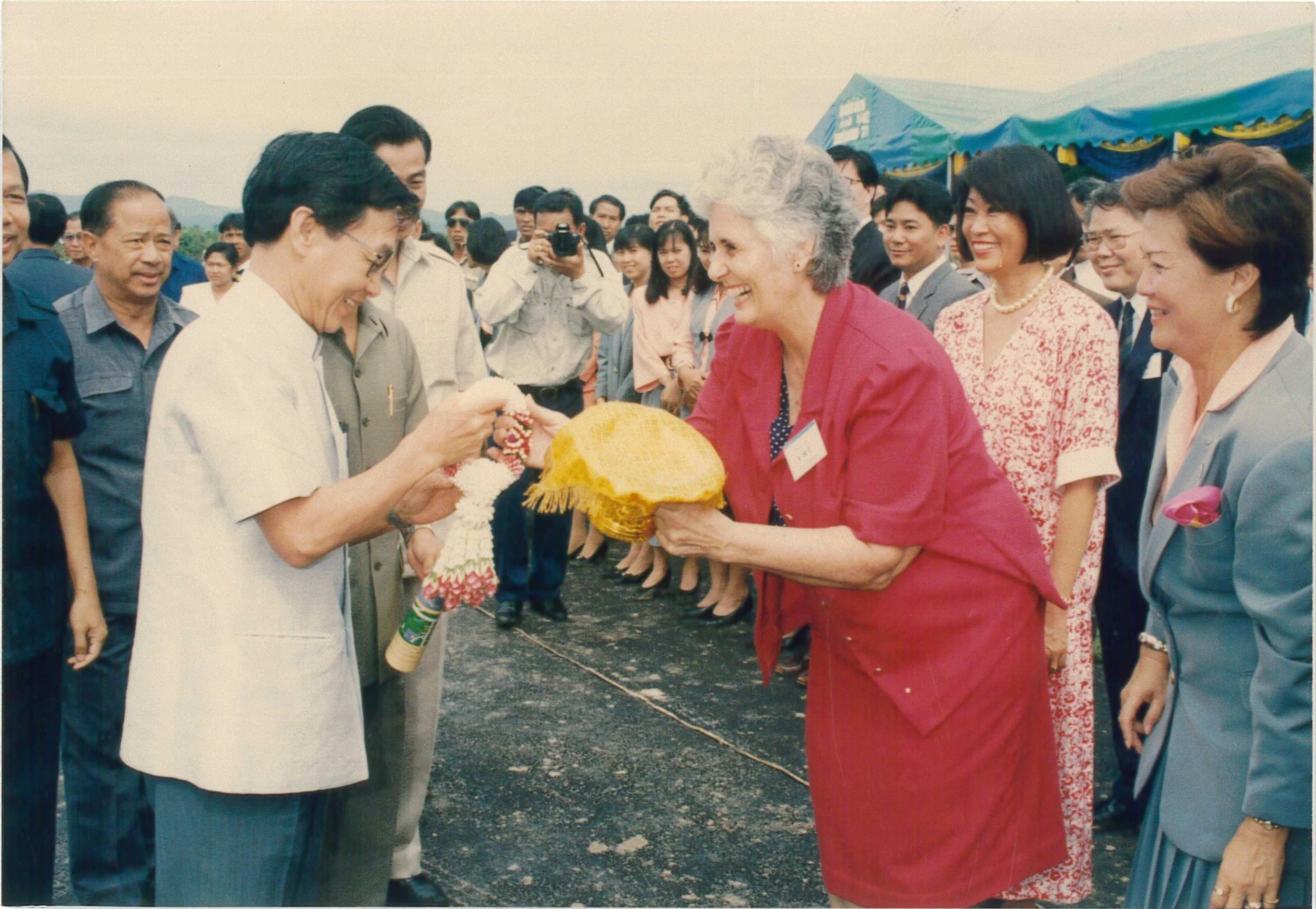
Presenting a garland to the Minister of Education at the foundation stonelaying of the University of Maryland Thailand campus, later becoming Webster University, in Cha-am, Phetchaburi, January 1993.
“But we managed to get 7 graduates and master's degrees in the 5-6 years that we did this program. And it was some innovation that the Thais eventually picked up and started doing distance education. But NTU in the US met its fate when the internet came on. Before that, the internet was very limited, and satellite was the big provider. But when the internet came on, you didn’t need the satellite and the cost involved, and universities started offering their courses directly.
But in the meantime, for our company here, trying to make it feasible, we weren’t making much money. I thought, why can’t we do this in Thai, and I called it the Thai Training Network. So we set up short courses rather than degree programs, short courses in various subjects that were of interest. And that was popular for a while. It was easier and cheaper with the internet. So when I retired in 1995, the company was still hanging in there, and the girl who took my place really focused on using internet technology, and it lasted a few more years. It was the hardest thing I ever did; it was quite a challenge. It was something that hadn’t been done, but we did it and showed that it could be done, so that was fun.
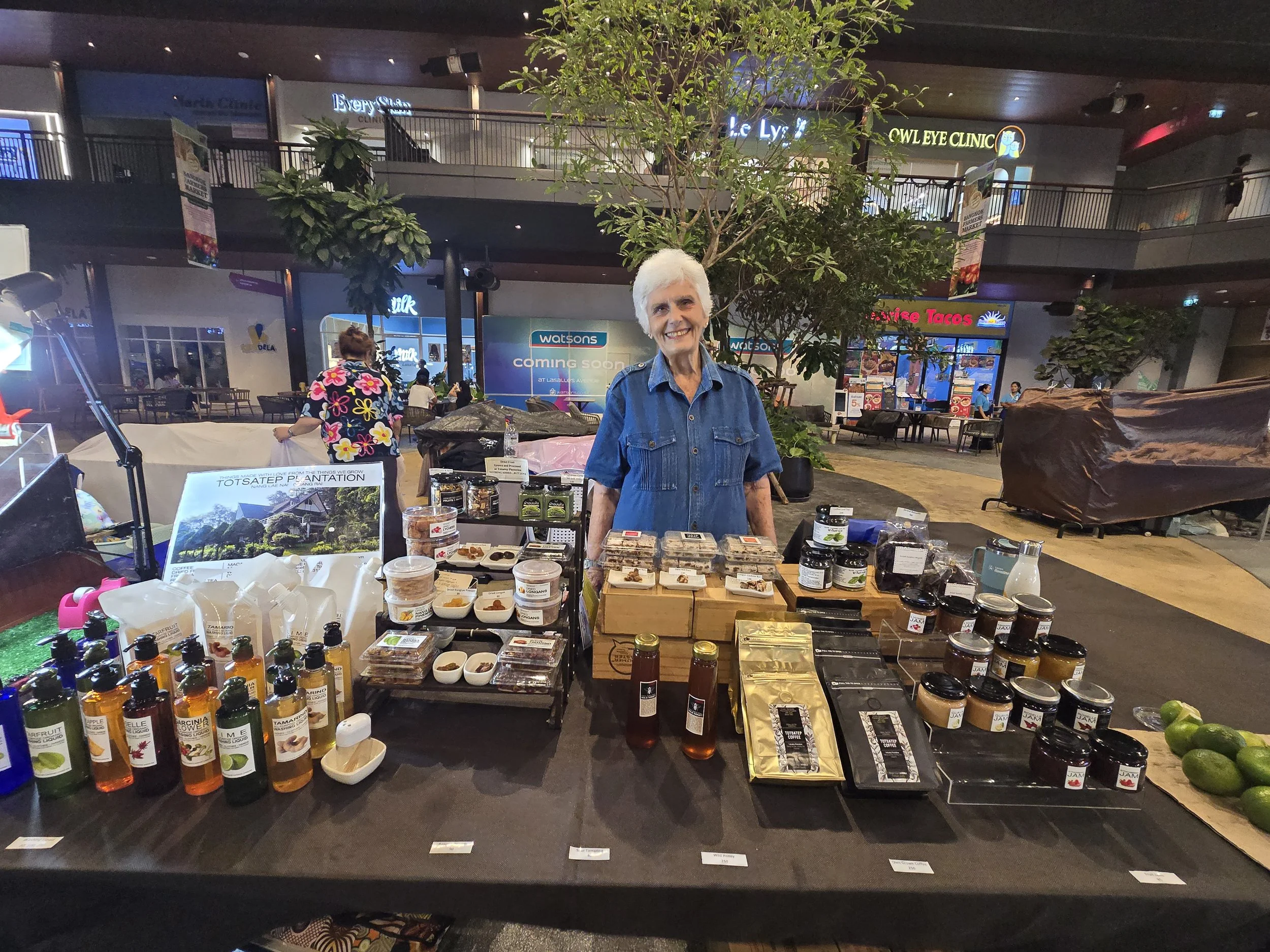
Then I decided maybe it was time for me to do other things. So I retired, and at that time my husband also retired, and we started spending more time in Chiang Rai, where we had bought some land and started planting coffee. So now I’m a farmer. That’s where I’m at right now, trying to keep the plantation going. Trying to sell dried fruit and coffee, and making organic dishwashing liquid and honey and all sorts of other products. In the many decades I’ve been working in Thailand, I’ve also served on several committees of various organizations, on a couple of foundation boards, and doing things that help me keep in touch with what goes on in the country. Otherwise, I would just go to Chiang Rai and envelop myself in all the green and natural landscape around, and say this is where I came 60 years ago. I came to a peaceful, small community and just got involved and found it was very nice. And that's what I'm doing these days.”
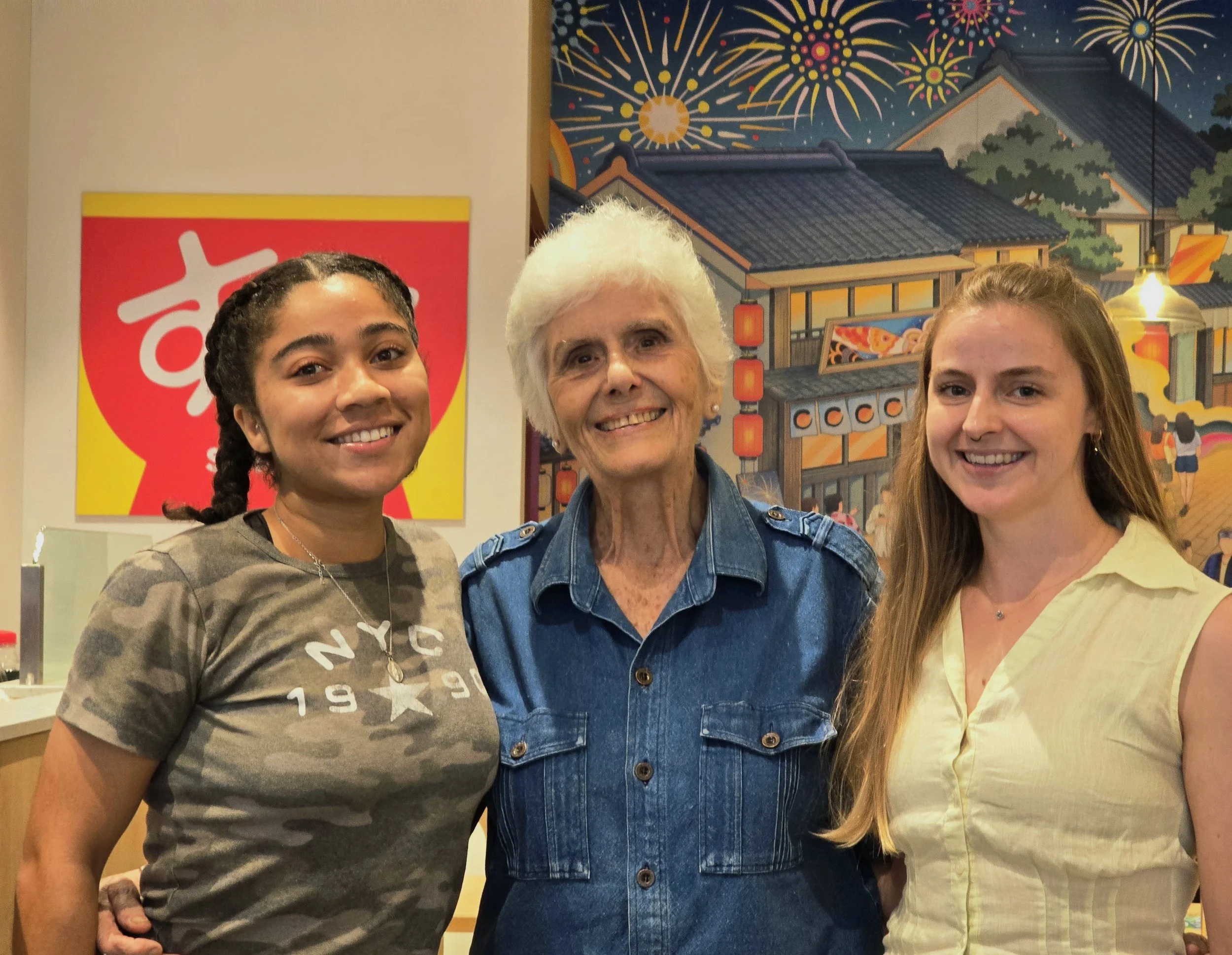
“It’s amazing; I started my time in Thailand in the very south, and now I’m here in the very north. I love the south. Of all the regions of the country, I found the South the most charming; the Thais in the south are much more direct, and you know where you stand. I have a group of students who are now retired. They were in high school, ages 14-15-16, when I was teaching them, and now they’re in their 70’s. We still keep in touch, and they dragged me down there last April, just to get back with them, and it was just lovely. The town has completely changed. It’s just so different, in terms of how it’s developed. But the people there are still the same; it’s the children and the grandchildren of the people I knew and who were my friends when I was there.”
What advice would you give to PCVs who are near the end of their service and are unsure about what to do next?
“Keep your options open. I think a lot of people either want to go back to graduate school or they want to travel. Do whatever things at the moment that you’d like to do, and don’t be too serious about it. Because things are going to happen without planning. I once had to give a talk at a graduation ceremony at Webster University, and I shared that while they are going to be making plans, sometimes things are going to come up that don’t fit those plans, and maybe they should take a look at them. Don’t be too focused on doing one thing; keep your options open. That’s what I did. I had my plans, but nothing had gone the way I had planned, though everything turned out fine for me.”
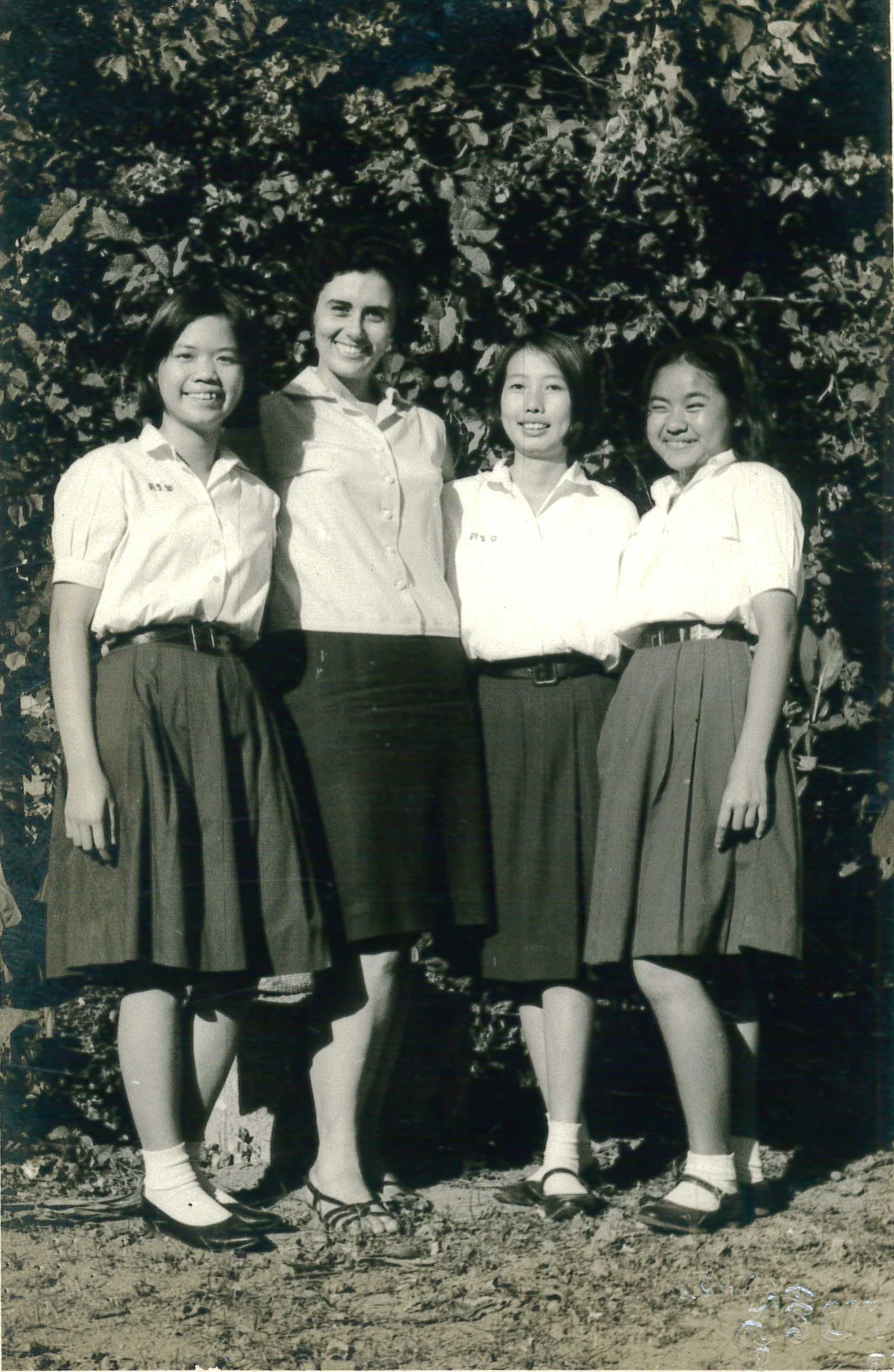
Some favorite M.S. 3 students, Saparachinee School, 1966.
“See what comes up that looks interesting and try it out. It may not be something you’re going to do for the rest of your life, but it may be something that will put you on a course that you never thought of. That is the most exciting thing in life: to do something that you hadn’t ever thought of doing, and then it comes up, and it turns out to be wonderful. Don’t get too stressed out about setting your life in stone; just keep your options open. Don’t get too set in one path, because you may not see the things that come up that are not directly before you that you could’ve dabbled into and maybe found something much more rewarding and interesting. I say, less focus is better.
I was not sure what I was going to do when I completed service, and things just came up, and I just let them happen. Everything worked out the way it should have. I thought I would go back to school, and I did eventually, but it was 3 years on. In the meantime, I was able to train some PC groups, and I was invited to work with the State Department, and things just came up. Had I been focused on going back to school, I wouldn’t have done those things. And I’m so glad that I allowed myself to go where the opportunities came up.”
Do you keep in contact with anyone from your Peace Corps cohort?
“I think that's one of the things that our group has been pretty good at, has been keeping in touch with each other, those of us that are still around. In fact, there are three of us who live here, and then we have snowbirds coming in every year, and every once in a while it just works out that we can get six or seven of our group together for a mini reunion. I think our 40th reunion came when the ambassador had been a member of our group, Darryl Johnson. He was finishing his career as a Foreign Service Officer, and he was placed here as ambassador. So we all celebrated our 40th anniversary of service with him at the embassy.”
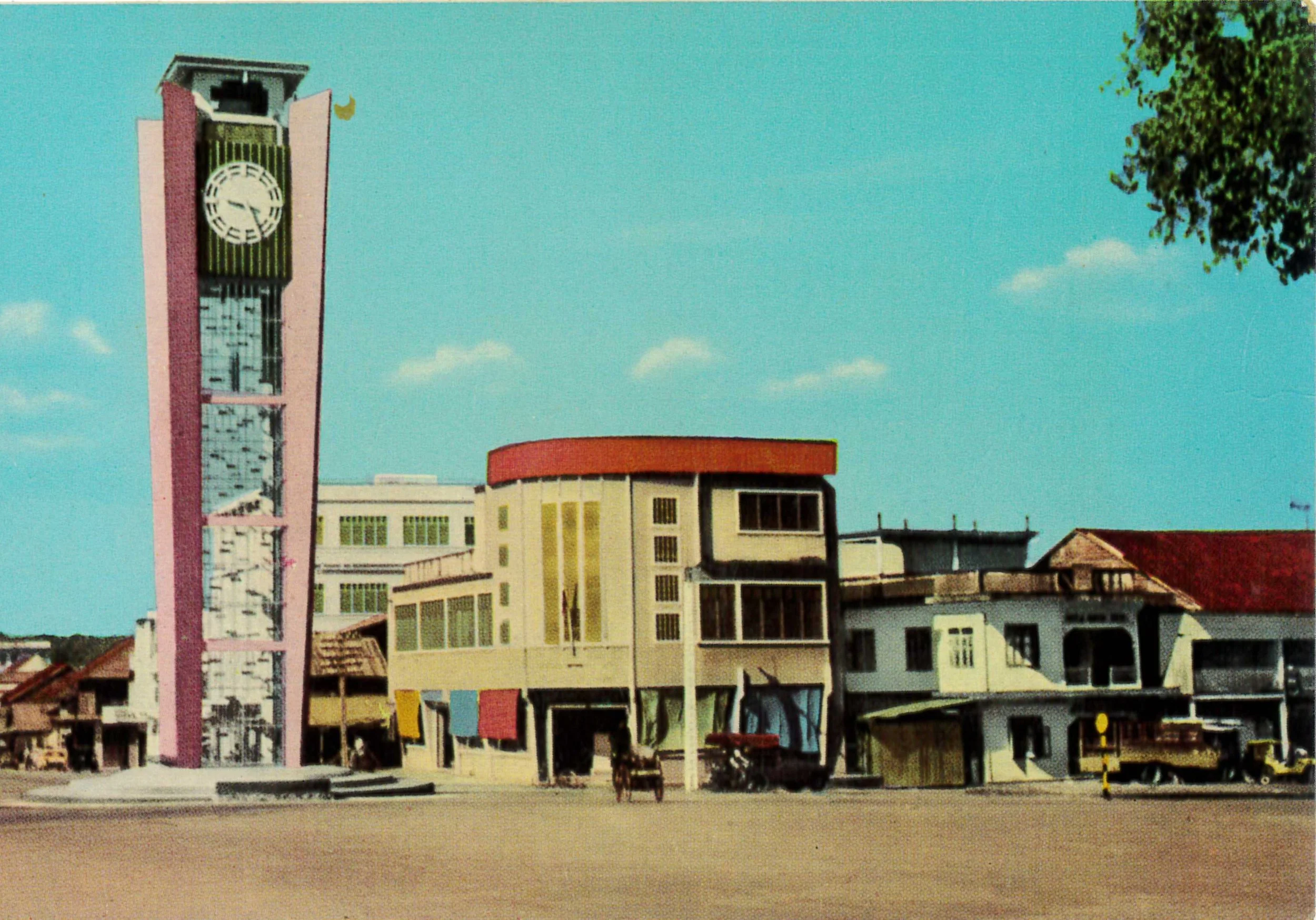
“Where I left my heart” Trang, 1966.