Where Are They Now? is an ongoing series interviewing Returned Peace Corps Volunteers (RPCVs) from Thailand, where Holly Lingenfelter aims to cultivate understanding, excitement, and create connections across time. If you are a Thailand RPCV or know one who would be interested in being interviewed, please contact us at pctm.stickyrice@gmail.com.
Holly Lingenfelter, 136 YinD
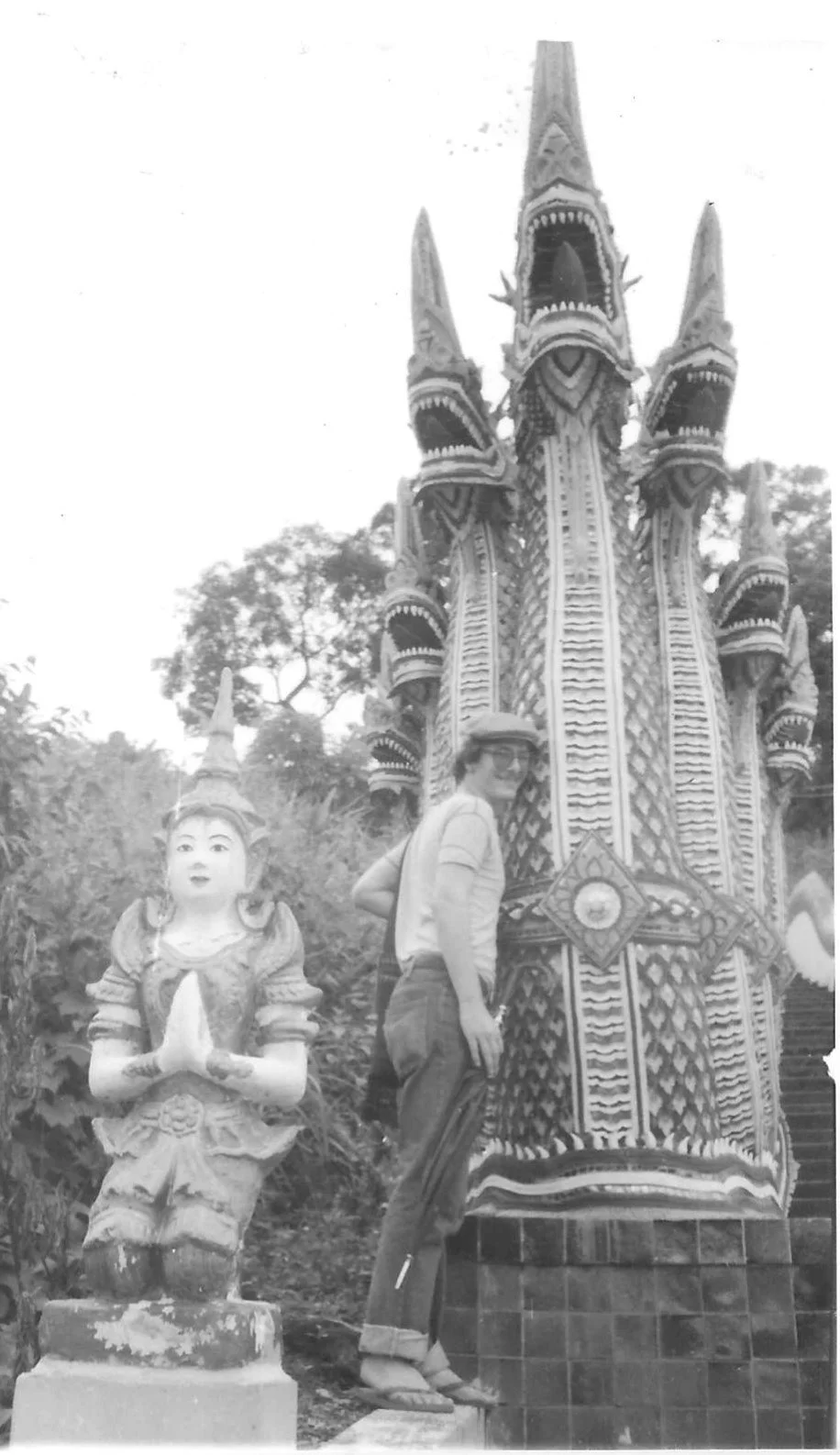
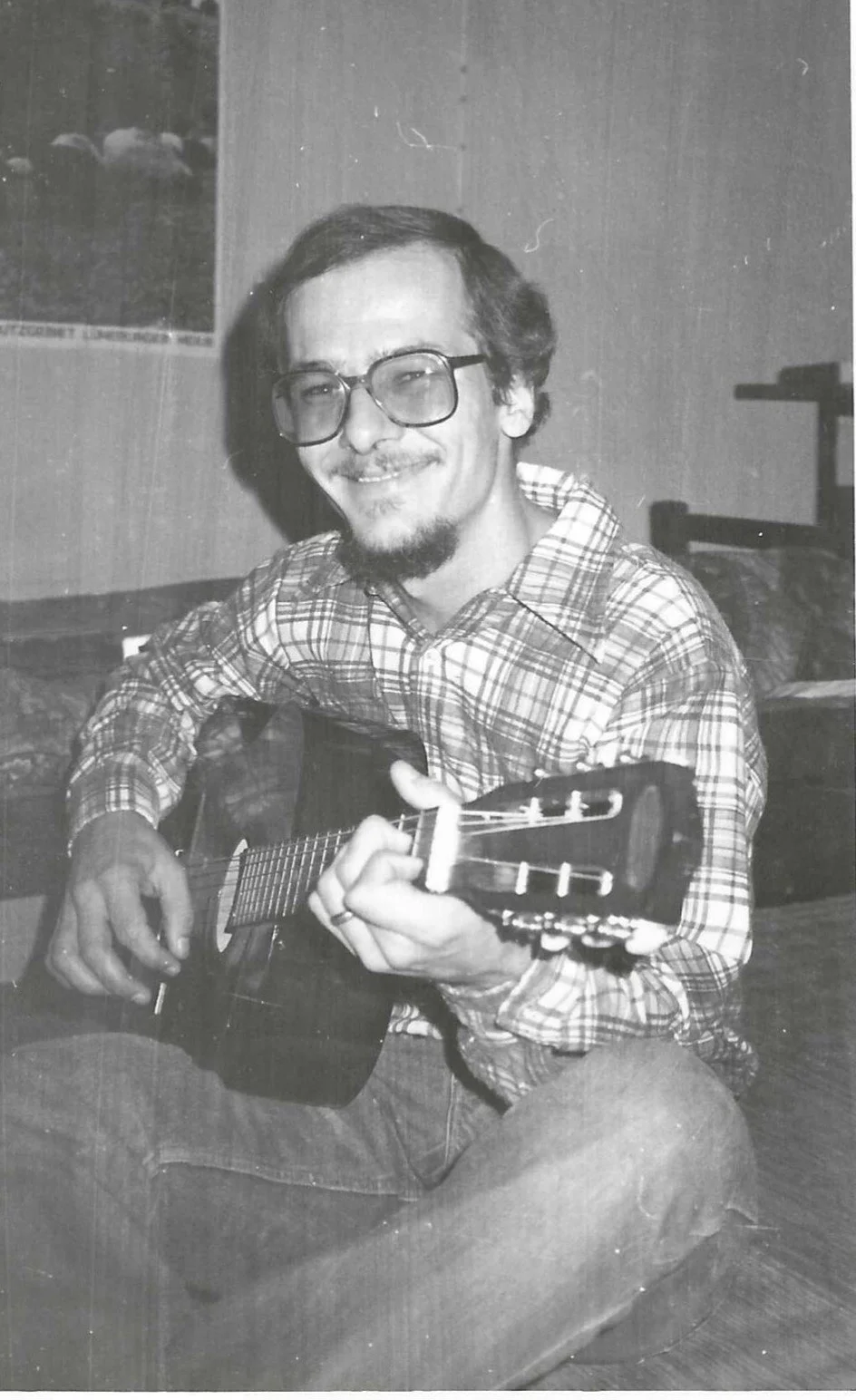
Meet Edward Schack of Group 61 (1978-1980).
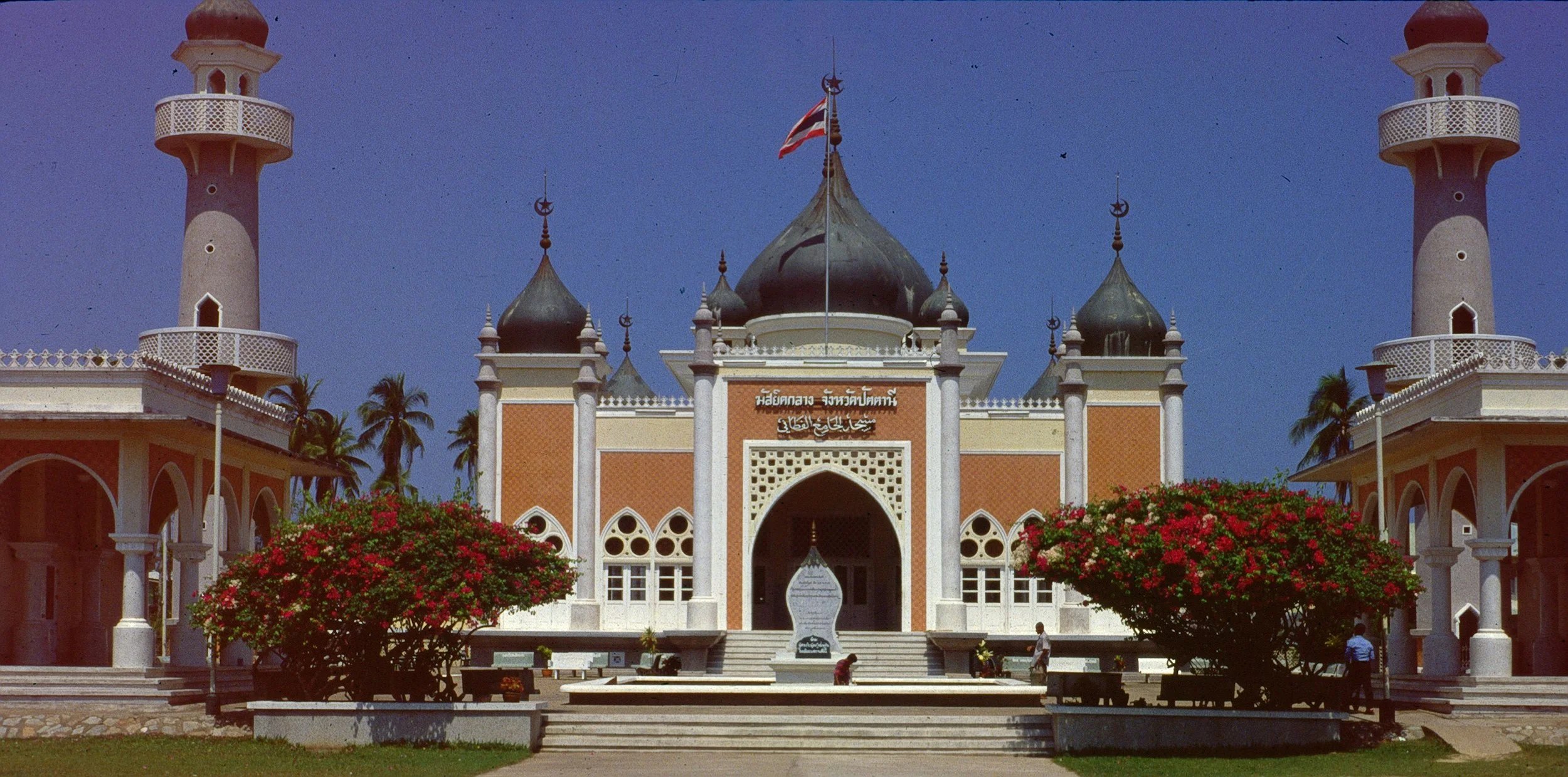
Edward Schack served as a Secondary Education Volunteer from 1978 to 1980, when he was 28 years old. He served in Chiang Rai (north), Yala (south), and Pattani (south) provinces. His Thai nickname is Somchai.
What was your primary assignment or project during your service?
“I taught English as a Foreign Language at Samakee Witayakom Secondary School in Chiang Rai. In Yala and Pattani, I was an assistant supervisor in the Regional Supervisory Unit, Region 2 in Yala Province, during which I trained Thai English teachers, gave demonstration classes, and created teaching materials. I also visited schools in Narathiwat and Satun, including some small Muslim village schools. I represented my training group on the Advisory Council for my entire tour and was the editorial editor of Sticky Rice until I wrote a piece accusing the Peace Corps country management of investing in a Thai hospital that the Peace Corps doctor was an investor in and then sending volunteers unnecessarily to that hospital.”


What inspired you to join the Peace Corps in the first place?
“I had just completed my M.A. in English during which I was a graduate assistant and teaching fellow and wanted to continue getting teaching experience.”
What was one of the most impactful or memorable experiences from your service?
“I married a fellow volunteer. The Peace Corps country director hosted a lavish reception at her home.”

What was your transition like after leaving Thailand and the Peace Corps? Did you have a plan for what you wanted to do next, or did you figure it out along the way?
“I travelled in Asia and Europe for a few months on my own (my wife and I had separated) and had a great time.
As soon as I arrived home, I received a request from someone who had gone in my group to Thailand with the Peace Corps, but had quit after training, who ran a refugee teaching program through a community college in Olympia, Washington. He wanted me to teach in the program, so I immediately moved there from my parent’s home in Michigan.”
How did your time in the Peace Corps influence the decisions you made after service?
“It made me want to continue working internationally.”


Where are you now? Geographically, professionally, and personally?
“I live in Wheaton. Maryland. I retired from my civil service position with the U.S. Department of State in 2017 but continued working as a contract receptionist at State until April of this year. I occasionally teach ESL (English as a Second Language) and teach and play ukuleles with other senior citizens.”
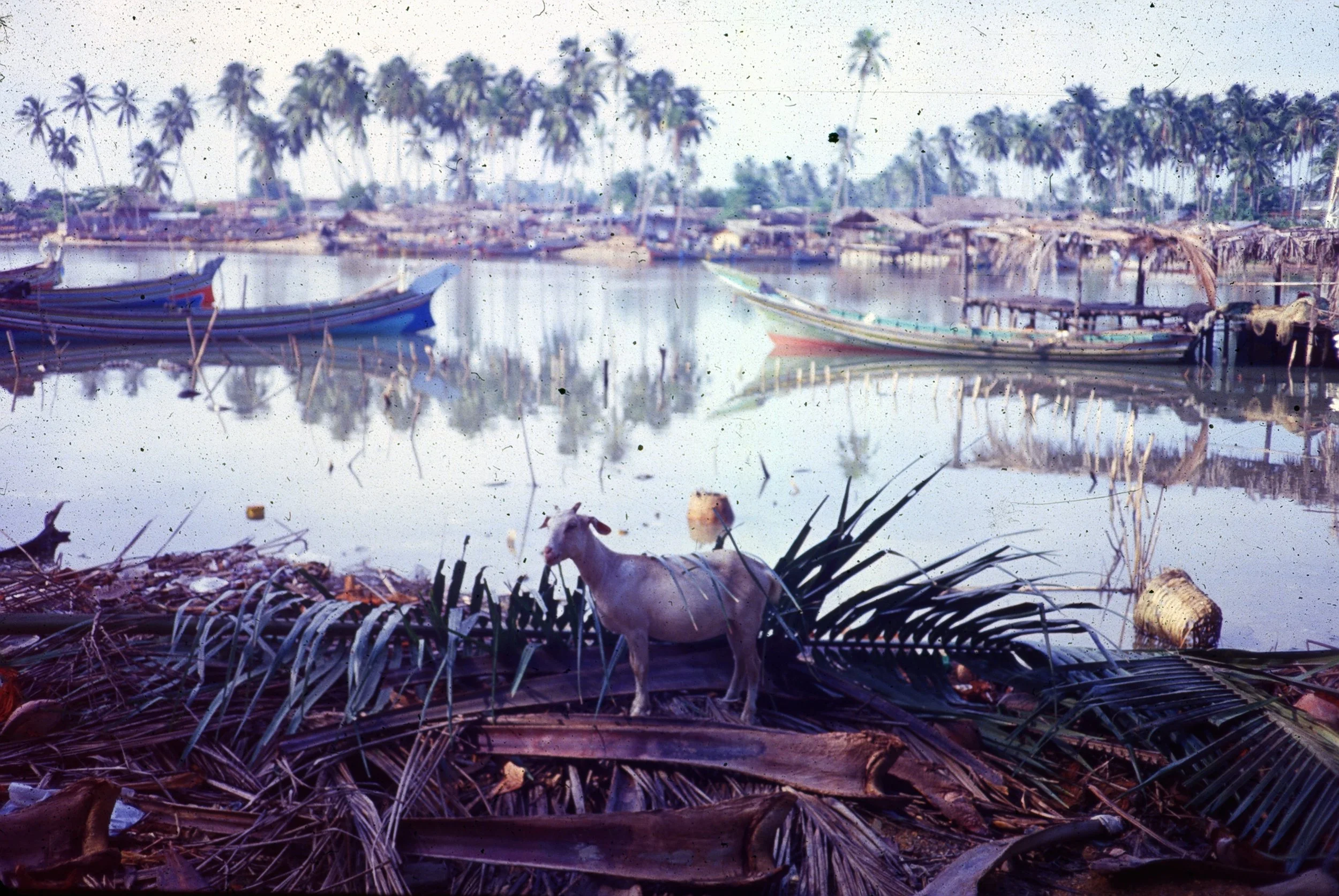
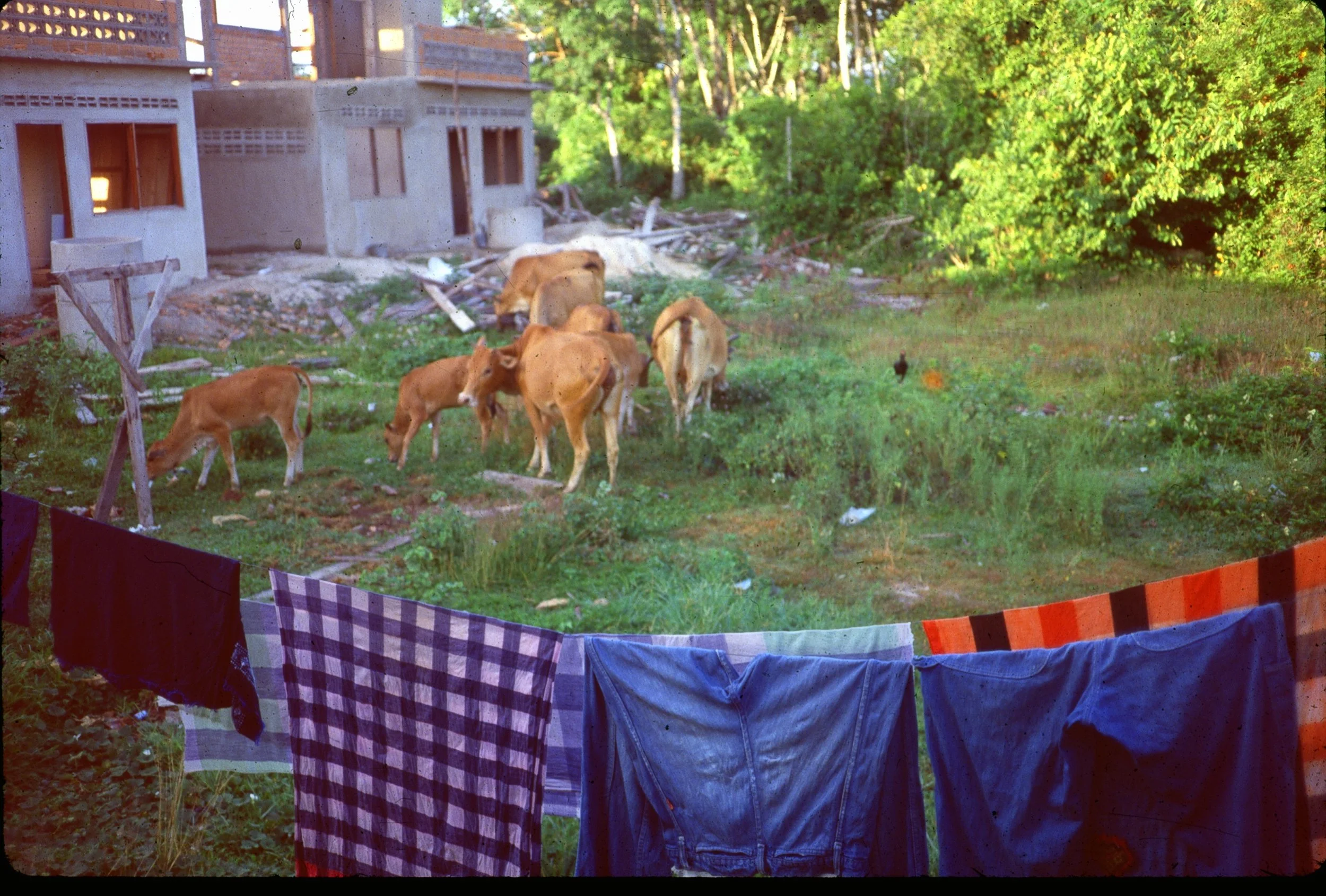
Narathiwat River (1979).
What kind of work have you done since completing your service?
“After the funding for refugee education was reduced by the Reagan Administration in 1980, I worked as a clerk for the Washington State government until 1982 when I was offered a job teaching English to the Saudi Arabian Army in Taif, Saudi Arabia. I went to grad school for a second time in 1983 where I earned another M.A. in International Affairs.
I met my current wife at the university and moved to be near her and my daughter from my first marriage in Washington, DC. I worked as a department store Santa Claus at a downtown department store (a role I continued to play at my daughter’s preschool in Bangkok and at the U.S. embassies in Croatia and Serbia) and afterwards as a commission salesperson there until I was hired as the ESL Department Head and teacher at a business college in D.C.
I accepted a job as a U.S. Customs Inspector in San Francisco in 1988 and moved there with my wife. In 1992, I moved back to D.C. to work as an International Training Team Leader for Customs, during which I trained foreign border law enforcement throughout Asia and in Africa, Central and South America, and the Former Soviet Union on State Department funded programs.
I next worked with the Governments of Canada and Mexico on joint land border issues until I accompanied my Foreign Service Officer wife on her first assignment at the U.S. Embassy in Bangkok where I first taught English at the American University Alumni Association school and then joined the State Department as a secretary. In 2001, I was hired as a program analyst in D.C. by the State Department Bureau of Narcotics and Law Enforcement Affairs to oversee law enforcement assistance programs in Russia, Ukraine, Belarus, Moldova, Armenia, Georgia and Azerbaijan.
In 2003 I was assigned to the U.S. Embassy in Armenia to manage the assistance programs for Armenia, Georgia and Azerbaijan. From 2006 - 2007 I was a program manager at our embassy in Kabul, Afghanistan overseeing contracts for the training of the Afghan National Police. In 2008 I transferred to the Department of Homeland Security, Customs and Border Protection Office of Training and Development to manage international and other training programs.
In 2012 my wife and I were assigned to the U.S. Embassy in Croatia where I was the deputy management officer. In 2015, I returned to D.C. to work as a Management Inspector for the State Department Inspector General. I worked part time after that while working on my memoir which was published last year. I accompanied my wife on her State Department contract job at our embassy in Belgrade, Serbia in 2021 - 2022.”
How have you changed as a person since your Peace Corps service?
“I have a better relationship with lizards.”
What skills or values from your Peace Corps experience do you still use in your daily life?
“I still speak Thai as often as possible.”
Are there any habits or ways of thinking from Thai culture that have stuck with you?
“I still occasionally wear pokomas.”

Do you keep in touch with people from your host community in Thailand? Have you been back to visit Thailand since completing your service?
“No [I do not keep in touch with host community]. But I have remained friends with some of my fellow volunteers.”
My family and I returned there in December 2025 for my 15th visit. This time my wife and I are took our 3 adult children, daughter-in-law, son-in-law and 2 grandchildren. My children have all been there at least a few times with my oldest daughter graduating from the International School of Bangkok and my son being born in Bangkok.”

What do you think the lasting impact of your service was, for your host community and for you?
“I continue to be very fond of Thailand.”
What’s one thing about the Peace Corps or post-service life that people don’t talk about enough?
“What a great bargain Peace Corps is for taxpayers.”
What advice would you give to someone who is considering joining the Peace Corps?
“If you can afford to be poor for a few years, it’s a nice place to be.”