
Rust & Magnolia Seeds
"The only true voyage of discovery... would be not to visit strange lands but to possess other eyes..." - Proust
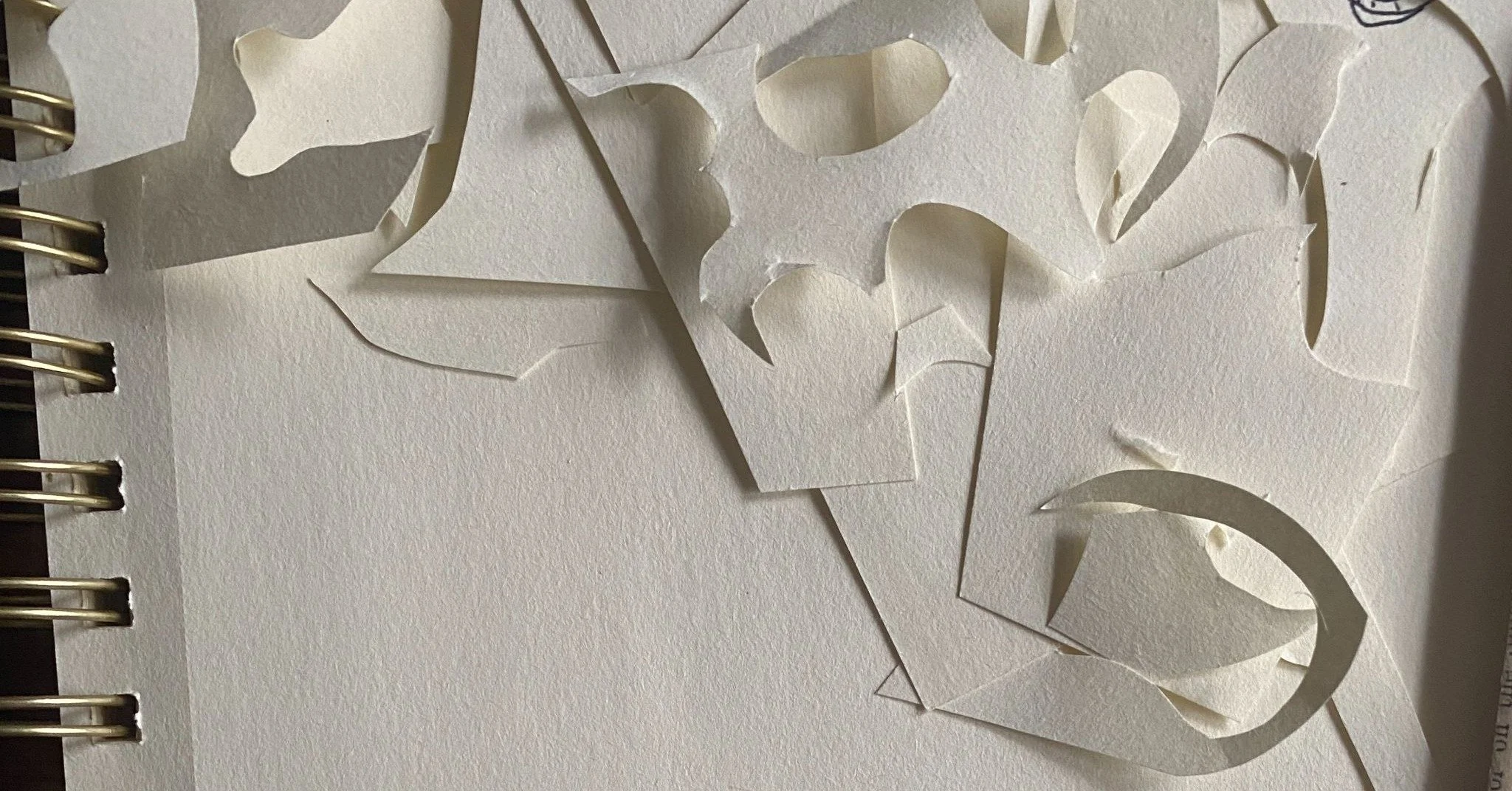
The other morning around 5:30, I woke to a tickling along the back of my neck. The bug crawled down my bare spine and leapt off only after I scrambled out of bed. After inspecting with a flashlight, I discovered a sizable cockroach, which I promptly brushed into the crack between my bed and the wall before tucking myself back under the blanket and going to sleep.
This was a notable change from a few months earlier, when a cockroach sent me into battle armed with a broom and the one long-sleeve shirt I brought here (in 100-degree weather, I might add), with the hood drawn tightly around my face. When it took off in flight, aiming straight for the small sliver of face showing through the hood, I made a noise I didn’t know I was capable of, retreated, and felt shivers run down my spine.
But I can’t remember ever consciously deciding that cockroaches were disgusting. I just knew they were. The more I wondered where that revolting feeling came from, the more I thought about how we learn to feel from the people around us.
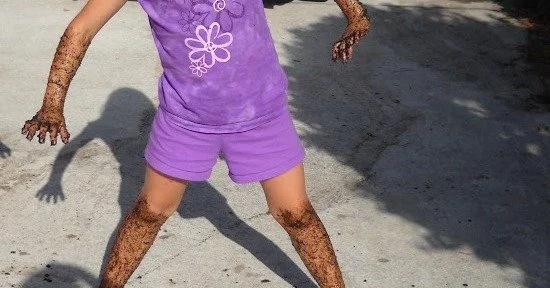
Since being in Thailand and spending much of my time around children, I’ve started noticing the ways in which they observe the adults around them. Before they decide how to feel about something, they often seem to look to us for an answer. A child spills something, and “Don’t worry, accidents happen” teaches something different from frustration or scolding. A child comes inside covered in mud, and “Ugh, you’re filthy!” gives the dirt a different meaning than, “That must’ve been fun! Tell me about what you were doing outside!”
Our responses can shape the way children react to similar situations in the future. Psychologists call this social referencing: the tendency to gather information from other individuals to regulate one’s own behavior in ambiguous situations. The emotions and reactions children observe in those around them provide useful information for deciding how to respond: Should I be afraid? Is it safe to approach? What is this?
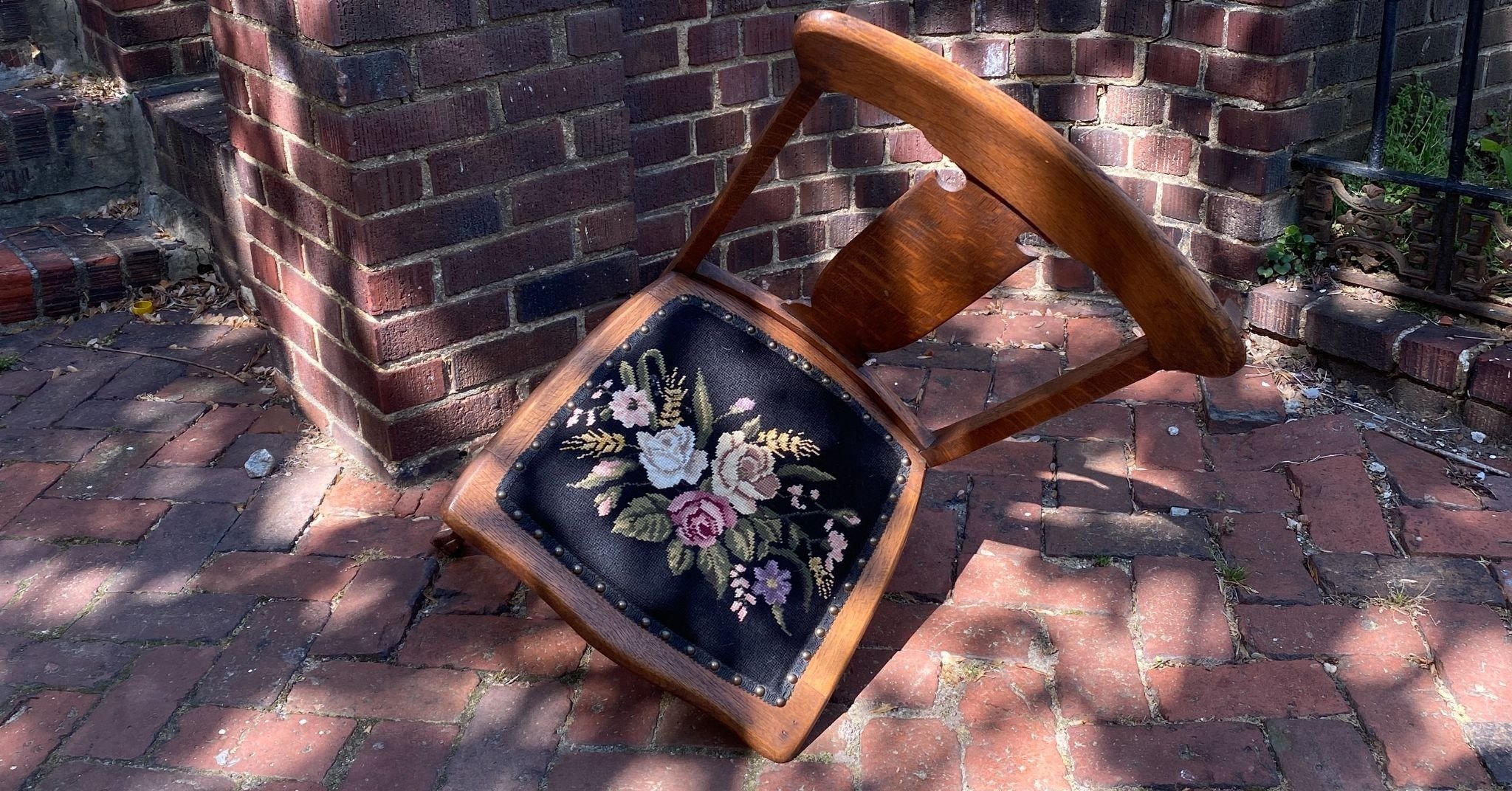
Disgust is an easy example, but we unknowingly teach children all sorts of things. To dismiss unfamiliar foods, to be wary of certain kinds of people, to decide what is ugly or beautiful, interesting or unimportant. I visited a friend’s house not too long ago, where we had to put cushions down before sitting on the chairs, or use different chairs altogether. I remember thinking how strange it was to have beautiful chairs that no one could comfortably sit on.
The more we learn about how the world works, the more efficient we become at moving through it. We know what things are, what they’re for, how we’re supposed to respond to them. This knowledge allows us to understand things that once seemed mysterious. Still, maybe something is taken away when everything has already been categorized for us. Categorization strips away the impulse to stop and investigate, to consider what else is possible. The knowledge and experience I’ve gained over the years have surely changed the way I see the world, and I wonder if I’ve lost some of the wonderfully naïve, whimsical outlook I once had.
I recently told a friend about the injustice I felt as a ten-year-old at not being allowed to take my shirt off outside. I fumed at the unsatisfactory explanation: “It’s because you’re a girl.” Running around in the heat with boys who I saw as no different from me, except that they could strip off an extra layer, taunted me with what I saw as lucky liberation. How absurd!! Can’t you see? Our bodies look the same!
I now understand the social norms behind it—where they come from and what they protect. When recounting these feelings, I initially said, “Man, I wish I had the passion I had when I was younger.” Now, I don’t actually think I miss the passion. What I miss more is not knowing all the answers.
I now know about social expectations, bodies, safety, sexuality, and all of the complicated reasons that make a seemingly simple act mean something totally different depending on who is doing it. The world makes more sense to me now. But somehow, all of this additional knowledge has also made it harder to ask the question, “Why not?”
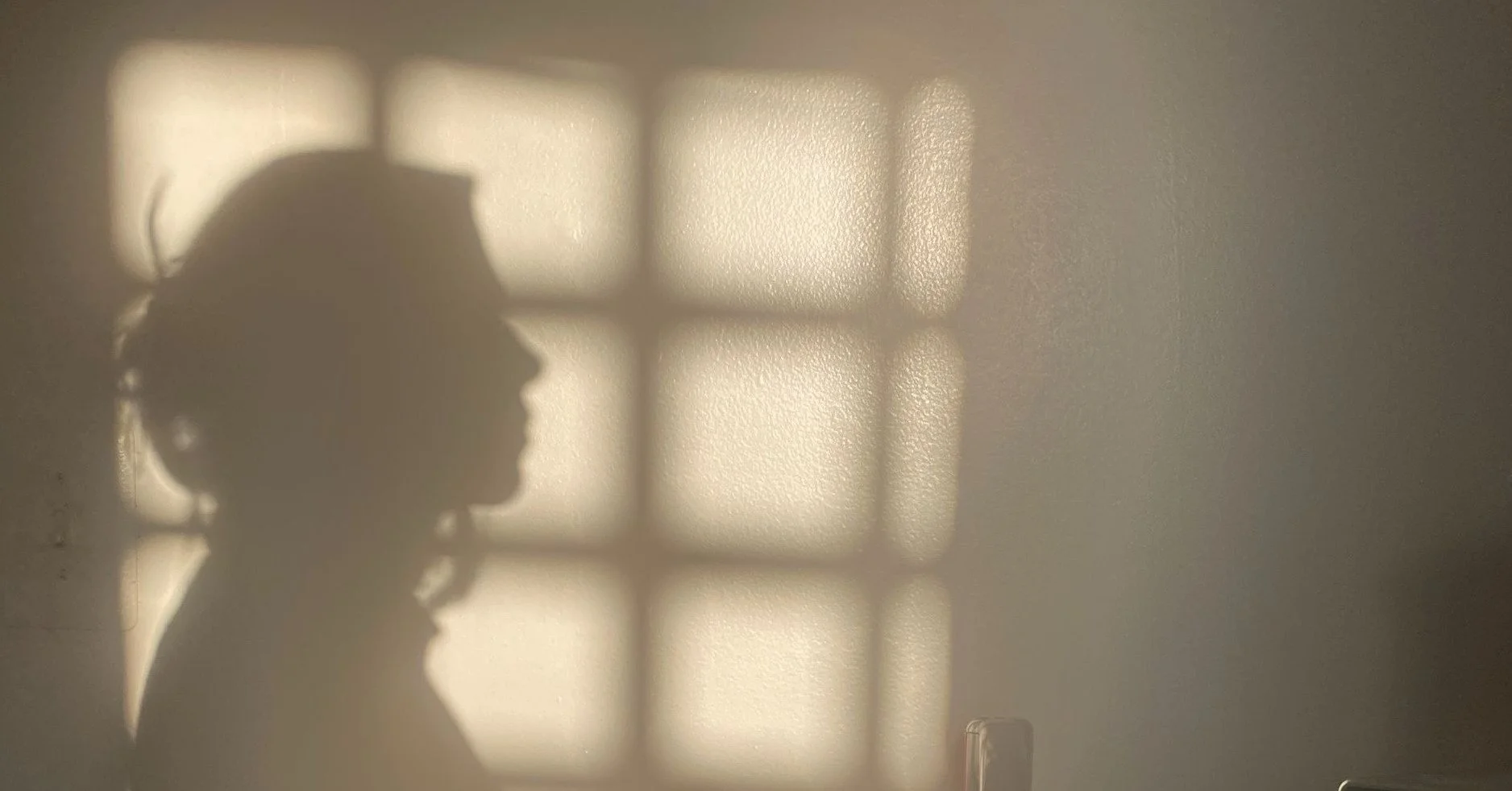
After living more than half of this year uprooted from my comforts and normalcies, I’ve been reminded of ways of existing and thinking that had been tucked away behind layers of routine. I notice how intimately the children here seem to know the world around them. They know which plants curl inward at the slightest touch, which ones produce flowers with sweet nectar, and which ones, when picked at just the right angle, you can blow bubbles through. I’m seeing now that plants aren’t immediately a weed, an unknown grass variant, or a decorative flower, but can instead become something more simply because they are available for investigation. A wheelbarrow becomes a fishing boat, brooms become swords, a rice field a mystery planet in need of exploration.
It reminds me of how my siblings and I once wrung every last drop of daylight from our days, making entire odysseys and generational dramas from upturned trees, old sheets, and rust-coated cans in the forest. I think about leaning backwards over my chair to see what my classroom would look like from that angle, then imagining what it would be like to have class on the ceiling instead. About tenderly prying the waxy, bright-red seeds from magnolia pods to add to mud stew. My five siblings and I would slide around on CDs like they were ice skates until they were severely scratched, then pull each other around in makeshift carriages—usually a cardboard box, with my brothers as the horses—a royal and highly revered form of transportation in our imaginary kingdoms.
When I try to think of the last time I felt so utterly absorbed in something, like I so often was, I’m brought back to these moments. I never gave a singular thought to what I was wearing beyond whether or not it was fit for whatever adventures the day had in store for me. There was no up-close inspection of a wayward nose hair, no thoughts about doing or being enough, no existential spirals about life’s purpose.
I feel a strong pull toward a way of seeing that I associate with being younger.
Can you remember who you were, before the world told you who you should be? - Bukowski
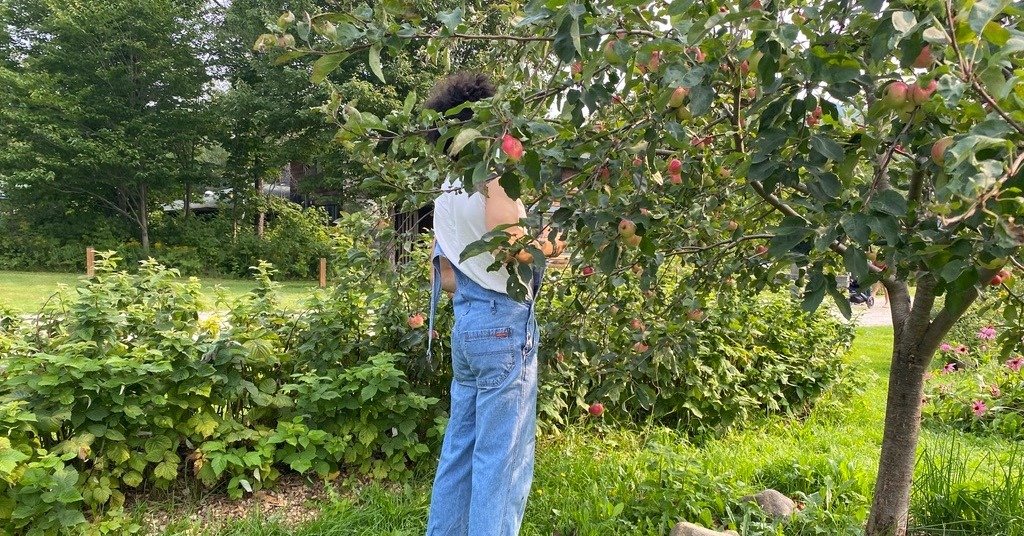
Madi: “My friends and I used to have fantasy worlds and one time we slung mud at the house in a fight…my parents weren’t too happy about that.”
Becket: “At four or five, a friend and I ran around my backyard with a large bag of raw beans, tossing them like confetti across the grass. A couple weeks later, hundreds of bean sprouts were creeping up through the lawn. My parents and I spent hours pulling them out, roots and all, to make sure we didn’t accidentally start a farm. I’ve never forgotten it.”
Niki: “I miss proposing to people with ring pops.”
My sister, Elise, remembers: “On weekend nights, we got to sleep together in one twin bed - four girls lying perpendicular so we could all fit. We’d stay up ‘late’ playing ridiculous made-up games, then the next day build shelters in the woods and explore the creek. Mom would play the piano, and all six of us would spin around on our stomachs on the hardwood floor.”
And from my sister, Sophie: “I miss climbing the huge magnolia trees out front and how our rain boots would always fill with creek water because we went in so deep. We’d lift our legs as high as they could go to drain them out. And we liked to line up fallen cicada shells on trees because their little spiky legs could still latch onto the bark.”
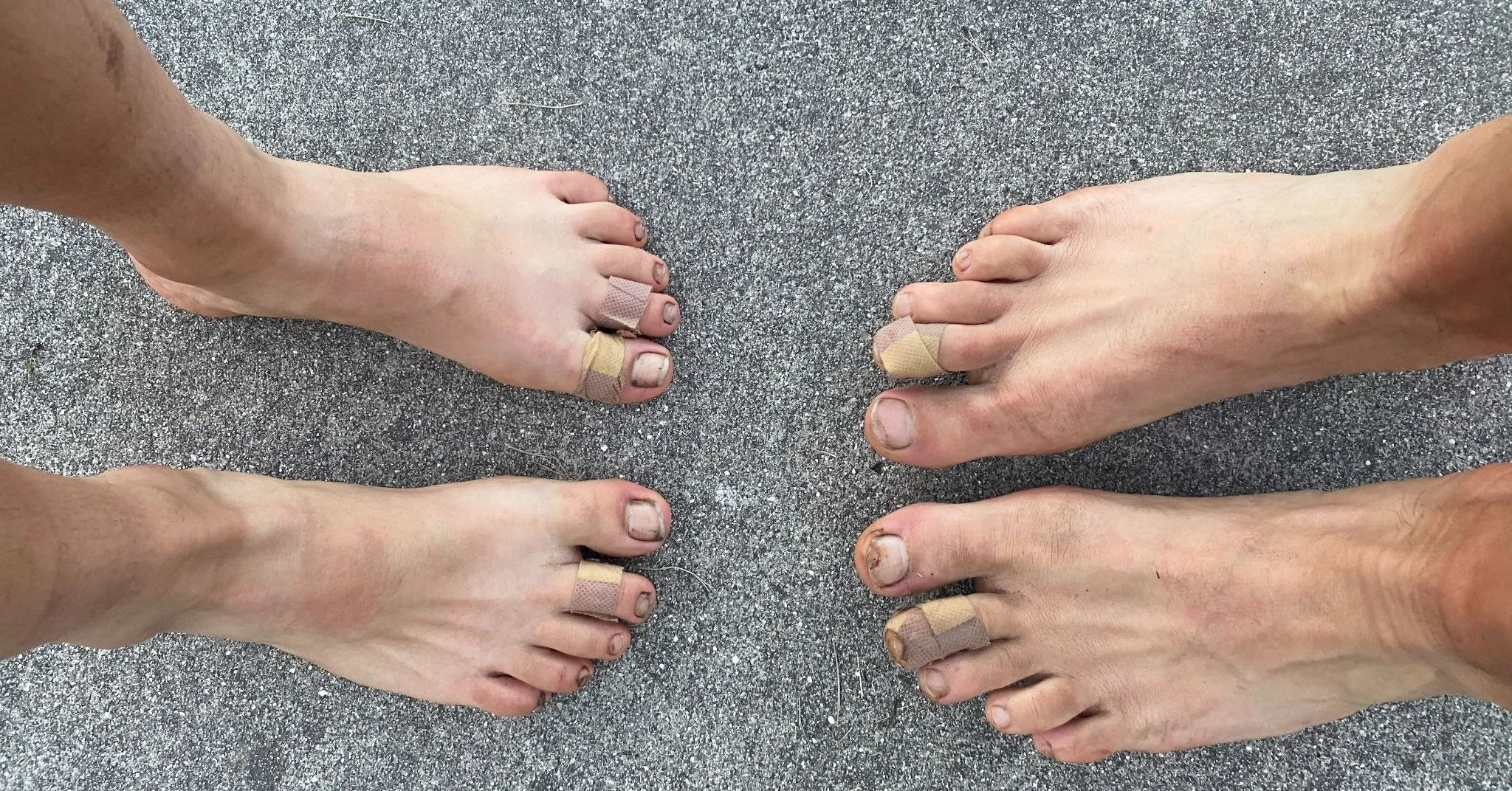
And then there are adults who seem to have held on to this way of seeing.
I was drawn into this person’s Instagram and immediately recognized something familiar in the way he sees the world. His account is filled with videos of commonplace objects like mailboxes and dumpsters, particularly rusty ones, where he hones in on details the average person might pass without a second thought: the way cracks fit together within each other, or how chipped paint and faded lines interact with the shadows of leaves above. What delighted me most was his unabashed enthusiasm for these details and how he treated every one as worthy of genuine appreciation.
He gushes:
“Look at this. Oh my god, we’re going to look at it together. Oh my god, what?? Oh my god…look at all that texture…are you literally joking?? I literally cannot contain myself…a texture like this?? Excuse the whole hell out of me - do you see what’s happening here!? Those that cannot appreciate this, I don’t know what it’s like to be like you. I don’t know. This dumpster has thumbprints!!!”
and
“Massive, massive, massive potential. This doesn’t get talked about enough. People really need to focus a lot more on this. We need to be cognizant of the things that surround us at any given moment or we miss out on a life of wonderment, of possibility…”
and
“People don’t notice things. Like look at the road. This is noteworthy - it’s noteworthy!! This is an abstract painting. This is contemporary art and it’s being overlooked all the time….”
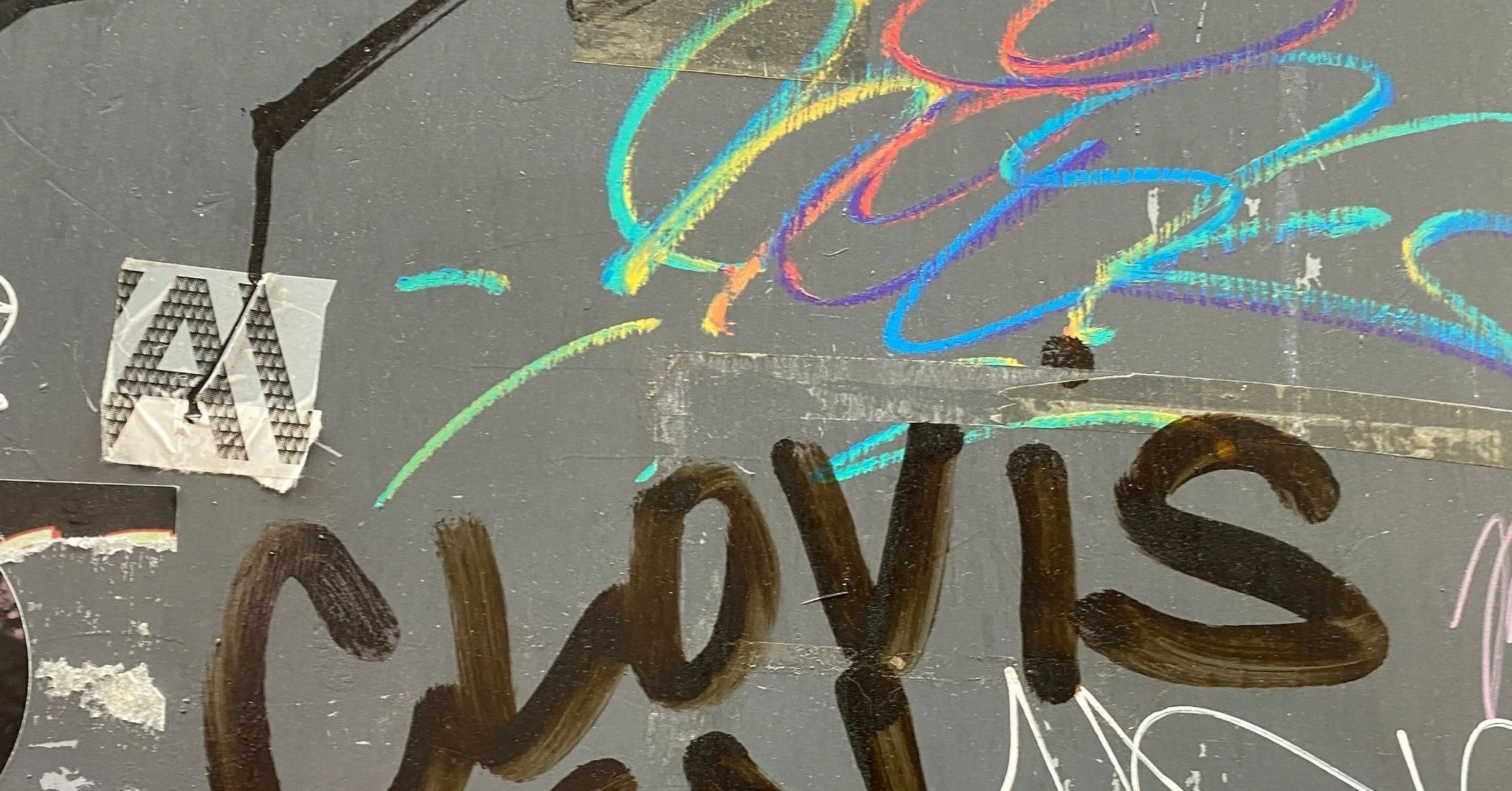
Natural beauty is evident in crystalline lakes, colossal mountains, the massive expanse of a dark night sky. But I also find so much beauty in the intriguing way olive oil has splattered on my plate, in the crinkles and laugh lines engraved in loved ones’ faces, and in the spindly, bright-green curls that wrap themselves around wrought-iron fence posts. My sister recently wrote to me with an observation: when light finds its way through delicate leaves, it reminds her of the way light sometimes shines through our ears, revealing veins that look remarkably like those of a leaf.
We have the choice to narrow or expand our world. Our surroundings have not become less interesting, we’ve just gotten better at filtering out what we deem unimportant. We absorb the overload of information that comes with being an adult, our technology keeps feeding us more of it, and we forget that there are other ways of seeing things. The question that’s been on my mind for a few years now is this: how can I become more susceptible to wonder, more open to possibility, and reclaim my capacity for play?
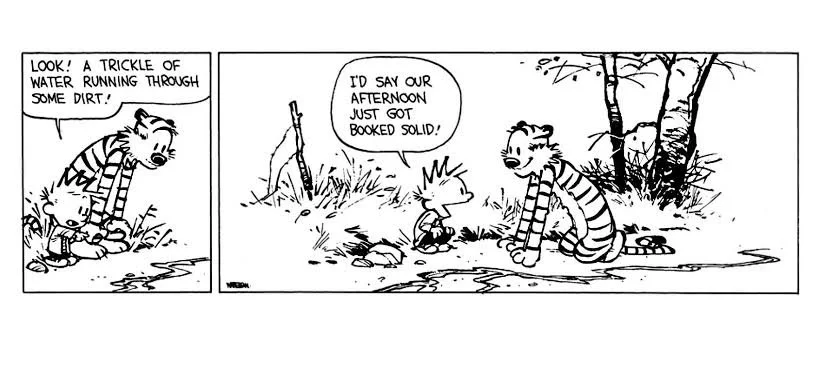
Back when our lives were beautifully analog, we were left with what was directly in front of us: the dirt beneath our feet, the insects in the grass, the strange shape of a rock, the possibilities of a free afternoon. The world makes more sense to me now, but at the same time feels less open. I know more about how things work, but the instinct to pause and marvel feels strangely out of reach.
I still hate cockroaches. I just don’t want my first judgment to be the end of my attention. Rather, I want to stay curious long enough to notice what comes after the judgment. I recognize how easily wonder can be buried beneath habit, but I also see glimpses of it in my life now. We don’t need to become children to see the world differently. We can practice looking at it as though we haven’t already decided what it is. To pause. To look twice. To let ourselves be surprised.
* Visit my substack here: and at the bottom you will find 72 photos of mine that capture what I’ve tried to express in the article above. (I didn’t want to pain the editors at Sticky Rice with the task of adding that many photos, ha.)
* Science Direct article on social referencing. https://www.sciencedirect.com/topics/psychology/social-referencing
* @ephemeradump on Instagram. https://www.instagram.com/ephemeradump/
* Thank you to my friends and sisters for sharing tidbits from your childhood!